
Buying Jarred Broad Beans: A Practical Selection Guide
Ever find yourself standing in the supermarket aisle, staring at the tinned vegetables and wondering which to choose? Selecting the right pre-cooked broad beans can be tricky. One jar promises authentic flavour, while another boasts a crisp texture. The goal is simple: a quick, nutritious, and flavourful addition to your meal, without disappointment upon opening. This article will help you make an informed choice based on factual product characteristics.
Buyer's Guide: What to Look for When Buying Broad Beans?
Before we dive into specific products, it's helpful to know which criteria matter most. A good choice depends on your personal preference and the dish you plan to prepare.
- Packaging: Broad beans are available in jars (glass), cans, or stand-up pouches. Glass has the advantage of letting you see the product and generally does not affect the taste. Cans are light-proof and robust. A pouch is lightweight and often vacuum-packed, which some manufacturers claim better preserves the texture.
- Ingredient List: A short ingredient list is often a good sign. Ideally, it should only contain broad beans, water, and salt. Sometimes, antioxidants like ascorbic acid (vitamin C) are added to preserve colour, or firming agents like calcium chloride.
- Nutritional Information: Pay attention to the amount of protein and fibre. Broad beans are naturally a good source of both. Also, compare the salt content, which can vary significantly between brands.
- Bean Type: Some brands specify "extra fine" broad beans. This usually indicates younger, smaller beans with a softer skin and creamier taste. This can be an advantage for dishes like salads. For stews, the size is less important.
Our Product Recommendations
Based on the criteria above, we have curated a selection of popular choices. These recommendations are based on the product specifications provided by the manufacturers.
Nutritional Value Comparison (per 100 g)
| Product | Energy (kcal) | Protein (g) | Fibre (g) | Salt (g) | | :--- | :--- | :--- | :--- | :--- | | Hak Broad Beans | 88 | 6.8 | 5.2 | 0.20 | | Bonduelle Broad Beans | 68 | 6.5 | 5.7 | 0.26 | | Chtoura Garden Broad Beans | 83 | 5.0 | N/A | 0.80 |
1. Hak Broad Beans - 190 g
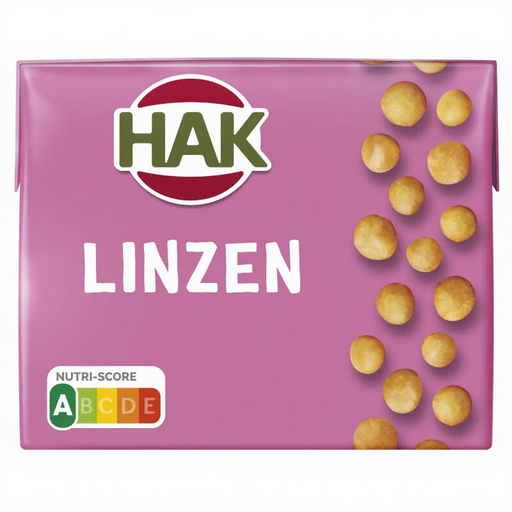
- Why this product: Hak is a household name in Dutch cuisine. These broad beans come in a glass jar and contain 100% natural ingredients. The relatively low salt content makes it a health-conscious choice. According to the manufacturer, the packaging consists of over 90% plant-based materials.
- Pros:
- Low salt content (0.20 g per 100 g).
- Good source of protein (6.8 g) and fibre (5.2 g).
- No added sugars (0.2 g naturally present).
- Packed in a glass jar, which can benefit the flavour.
- Who is this for: Consumers looking for a traditional, reliable option for classic home-style meals. Ideal for those who want to limit their salt intake and value a product without unnecessary additives.
2. Bonduelle Extra Fine Broad Beans - 155 g
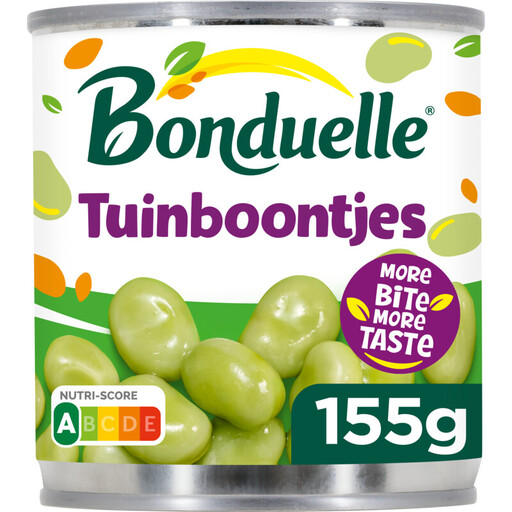
- Why this product: Bonduelle positions these broad beans as "extra fine," indicating a soft, creamy taste. They are vacuum-packed in a can and steam-cooked, a method that Bonduelle claims better preserves texture and flavour. The product contains no preservatives.
- Pros:
- Very high in fibre (5.7 g per 100 g).
- Contains none of the 14 major EU allergens.
- The "extra fine" quality provides a creamy taste, suitable for salads and curries.
- Prepared with steam, which can contribute to a better texture.
- Who is this for: Fans of a finer, creamier broad bean. Suitable for consumers looking for a versatile product that fits well in both classic combinations (with bacon) and more modern dishes.
3. Chtoura Garden Cooked Broad Beans in Brine - 400 g
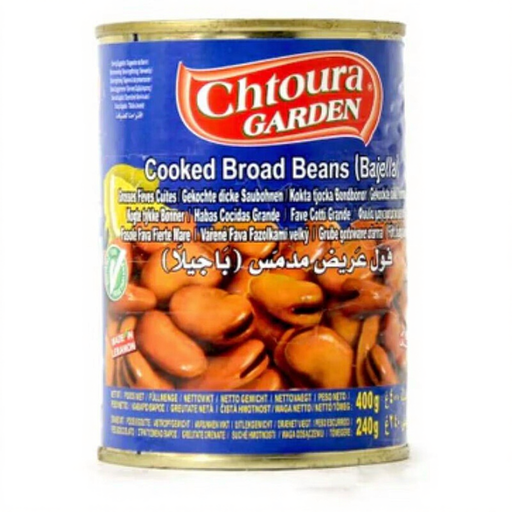
- Why this product: This product, often referred to as fava beans, offers a different culinary experience. These beans are larger and firmer, ideal for stews and mezze from Middle Eastern cuisine. The ingredient list is minimalist: broad beans, water, and salt.
- Pros:
- Large packaging (400 g), suitable for family meals or meal prepping.
- Firm texture that holds up well in stews.
- Suitable for vegetarians and vegans.
- An authentic choice for preparing Turkish and Middle Eastern dishes.
- Who is this for: Adventurous eaters and lovers of world cuisine. Perfect for those looking for ingredients for an authentic fava bean stew (ful medames) or a nutritious addition to a mezze platter. Please note the higher salt content (0.8 g per 100 g); rinsing before use may be advisable.
Looking for Something Else?
Broad beans are an excellent choice, but the legume aisle offers more variety. Are you looking for a legume with a different texture, perhaps for use in salads, bowls, or as a snack? Then consider shelled soybeans, also known as edamame. These young soybeans have a firm bite and a slightly sweet, nutty flavour, making them a popular alternative in various cuisines.
Frequently Asked Questions
1. How do you prepare jarred or canned broad beans? Cooked broad beans from a jar or can are ready to use. You can drain them and add them cold to a salad. For a warm dish, briefly heating them in a pan is sufficient. Do not cook them for too long, as they can become mushy. A classic recipe is broad beans with bacon and a pinch of savory.
2. Are jarred broad beans healthy? Broad beans are a natural source of plant-based protein, fibre, vitamins, and minerals. The jarred or canned versions retain a large portion of these nutrients. However, it is advisable to pay attention to the added salt. By rinsing the beans with water before use, you can remove some of the salt.
3. What is the difference between regular and "Turkish" broad beans? The term "Turkish broad beans" often refers to fava beans, a larger variety of the broad bean. They typically have a firmer texture and a more pronounced, earthy flavour. They are widely used in Middle Eastern and North African cuisine, for example, in the dish ful medames. The smaller, younger broad beans common in Western European cuisine are often creamier and sweeter.