
Buying Turkish pulses: how to choose beans, chickpeas and lentils without making the wrong choice
If you cook Turkish food, you’ll know the problem: on a product page, all pulses can look alike, but whether they’re dried, cooked, seasoned or preserved makes a big difference to the preparation and cooking time involved. And buying in bulk isn’t automatically better value if it takes you a long time to use everything.
This buying guide helps you compare Turkish pulses by product type, weight, ingredients, preparation and storage. That way, you can find the right option for everyday meals, hummus, salads, soups and stews.
Common pitfalls when buying Turkish beans and pulses
1. Confusing dried and cooked pulses
Dried pulses, such as nohut and mercimek, need to be prepared before use. Chickpeas usually need to be rinsed, soaked and cooked. Cooked beans in a tin or jar are ready to use, but may contain water, salt, oil or spices.
So always check:
- Does the packaging say “dried”, “cooked” or “ready to eat”?
- Is the drained weight listed?
- Does the product need soaking, or just rinsing?
- Have any extra ingredients been added?
2. Looking only at the net weight
A 1 kg bag of dried pulses contains no cooking liquid and can make several meals. With a 400 gram tin, some of the weight comes from water or brine. So compare more than just the price per pack: look at the price per usable amount too.
Bulk packs can be practical for large households and catering businesses. If you only use pulses occasionally, a 400 gram tin is often easier to store and use up quickly.
3. Mistaking a prepared dish for a plain ingredient
White beans in tomato sauce and seasoned fava beans are ready to serve, but less versatile than plain cooked beans. Check the ingredients list for oil, salt, sugar, cumin, garlic and chilli. This helps you avoid choosing a product that doesn’t suit your recipe or dietary preferences.
Important product features to check
Dried pulses: preparation and pack size
Duru Nohut Iri Kuru 1 kg is a dried chickpea product. According to the product information, you can soak the chickpeas for 8 to 12 hours, then cook them. It’s a good choice if you regularly make hummus, stews or salads and want to control how soft the chickpeas become.
DURU TUM BAKLA 900 GR is also made from whole dried broad beans, also known as fava beans. The nutritional information on the product page lists, among other things, 23,1 grams of protein and 21,8 grams of fibre per 100 grams. Always check the current packaging before buying, as labels can change.
Quick-cooking options: lentils and split peas
According to the product description, green lentils generally hold their shape better during cooking. This makes them suitable for salads, side dishes and recipes such as mercimekli bulgur pilav. The stated cooking time for Duru green lentils is around 20 to 30 minutes after rinsing.
Red lentils, or red mercimek, are suitable for soup and purée. According to the product information, Duru Red Lentils “Mercimek Kirmizi Futbol” are washed and can be prepared without a long soaking step. Check whether the lentils are whole or split: their texture and cooking time can vary.
Ingredients, allergens and storage
When buying Turkish ingredients, the product name alone isn’t enough. Read the full ingredients list on the packaging. Pay particular attention to:
- Salt content in beans packed in brine or sauce.
- Oil and spices in fava foul and pilaki.
- Possible traces of gluten in dried lentils or split peas.
- Refrigeration after opening, as instructed on the label.
- Don’t use packaging that is damaged.
Nutritional values and allergen information on a webshop are there to help. Always follow the information on the current packaging.
Which Turkish pulses are right for you?
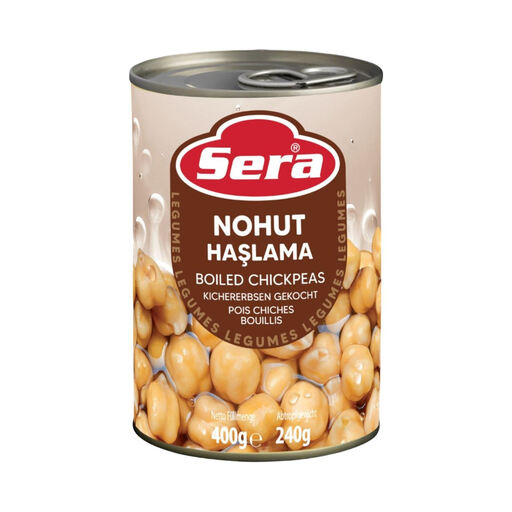
Sera Haslanmis Nohut 400 g (boiled chickpeas)
Why it suits this profile: The chickpeas are already cooked and, according to the product information, are ready to use in hummus, salads and stews. This means less preparation and less waste when you’re buying for the first time.
It’s clearly labelled as a 400 gram cooked product, so you won’t buy it by mistake expecting to soak it first.
Cooked, 400 grams and suitable for a range of dishes. According to the product information, you can rinse it before use.
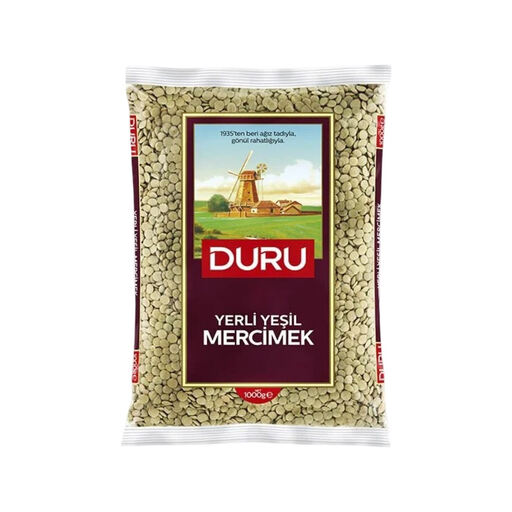
Duru green lentils 1 kg
Why it suits this profile: According to the product information, this 1 kg pack contains 100% green lentils. Their firm texture makes them a good fit for dishes where you want the lentils to keep their shape.
The product type and ingredients are clearly stated. You’re buying a dried ingredient to prepare yourself, not beans in sauce or a ready-made dish.
1 kg pack, 100% green lentils according to the product listing, and suitable for salads, soups and stews.
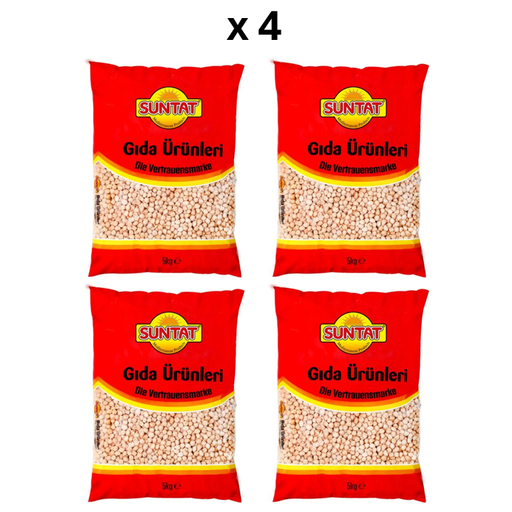
SUNTAT Chickpeas Nohut Kocbasi 4 x 5kg
Why it suits this profile: This bulk pack is aimed at large households and catering businesses that regularly use chickpeas in hummus, soups, salads and stews.
The large quantity makes it clear who this product is for. You’re choosing dried chickpeas that need soaking and cooking, rather than a quick tin option.
A large pack for regular use, suitable for a range of Turkish and Middle Eastern recipes.
Looking for more options?
We’ve put together a complete, up-to-date list of products that meet these strict selection criteria and current European safety regulations.
Frequently asked questions about Turkish pulses
Do Turkish chickpeas always need soaking?
Soaking dried chickpeas is usually a practical way to prepare them for cooking. SUNTAT’s product information recommends soaking for 8 to 12 hours, followed by cooking. According to the product description, cooked chickpeas such as Sera Haslanmis Nohut can be used straight away. Always follow the instructions on the packaging.
What’s the difference between fava beans and broad beans?
Fava beans, broad beans and tuinbonen often refer to the same botanical group, but the product type and preparation can vary. You’ll find them as whole dried beans, cooked beans in brine, or as fava foul with spices and oil. So check the ingredients list and preparation instructions.
How should you store dried pulses?
Keep an opened pack in a cool, dry place, sealed tightly and away from direct sunlight and moisture. Once opened, cooked beans and chickpeas should be refrigerated according to the label and used within the stated period. Before buying, also check the best-before date and storage instructions.