
Choosing a wireless gaming mouse: specs and pitfalls to look out for
A wireless gaming mouse gives you more freedom of movement, but not every model is suited to competitive FPS games, MOBAs or everyday PC use. A high DPI figure, for example, says little about real-world accuracy. A mouse with a high polling rate may also put more strain on your processor than you expect.
Use this guide to compare wireless gaming mice by the specs that matter: weight, sensor, polling rate, connectivity, battery life and programmable buttons.
Common pitfalls when choosing a wireless gaming mouse
1. Confusing high DPI with better control
A high-DPI gaming mouse may sound impressive, but most players use a much lower sensitivity in games. DPI mainly indicates how sensitively the sensor can be set. A stable sensor, adjustable DPI steps and a good match for your screen resolution and in-game sensitivity matter more.
Be wary of claims such as “pixel-perfect” or “zero latency”, too. These are often marketing terms used by the brand. Instead, check the stated sensor, maximum speed, acceleration and connection method.
2. Choosing a 4K or 8K polling rate without considering your PC
A gaming mouse with a 4K polling rate reports its position to your computer more often than a 1,000 Hz model. This can make input feel smoother, but the difference isn’t always noticeable in every game or on every screen. According to RAPOO’s product information, the VT9Pro can put more load on your CPU at 4,000 Hz; if you experience frame drops, 1,000 Hz is recommended.
So check:
- whether a 4K or 8K receiver is included;
- whether the feature needs to be enabled in software;
- whether your PC can handle the extra load;
- whether your favourite game handles the higher polling rate well.
3. Looking only at battery life
Long battery life is useful, but the stated runtime depends on the connection mode, polling rate, lighting and settings. Bluetooth lasts longer on some models, while 2.4GHz wireless is better suited to low-latency gaming.
Also check whether you can use the mouse while it’s charging, whether a USB-C cable is included, and whether a charging dock or wireless charging module needs to be bought separately.
The key specs explained
Weight and shape
A lightweight gaming mouse weighing around 50 to 70 grams is worth considering for fast FPS movements and a claw or fingertip grip. A heavier model may feel more stable and often has more room for extra buttons or a thumb rest.
Shape is just as important as weight. An ergonomic gaming mouse designed for right-handed use won’t automatically suit a left-handed player. Check the length, width and height too, especially if you have small or large hands.
Sensor and DPI
Look at the sensor name, maximum DPI range and maximum tracking speed in IPS. A sensor offering 24,000 or 30,000 DPI mainly gives you more adjustment options; you don’t need to use the maximum setting.
For a gaming mouse for PC, these features are useful too:
- adjustable DPI profiles;
- separate X/Y DPI, especially for widescreen displays;
- reliable tracking on a suitable mouse mat;
- a low lift-off distance if you often lift the mouse.
Polling rate and connectivity
A 1,000 Hz connection is enough for many gamers. 4K and 8K can be useful for esports gaming, fast FPS games and systems with a high refresh rate. Bluetooth is particularly handy for laptops, office work and switching between devices, but it doesn’t always take priority over 2.4GHz for competitive gaming.
Check whether the mouse uses its own USB receiver. If possible, place it close to the mouse and avoid sources of interference such as USB hubs and busy wireless environments.
Recommended models for different users
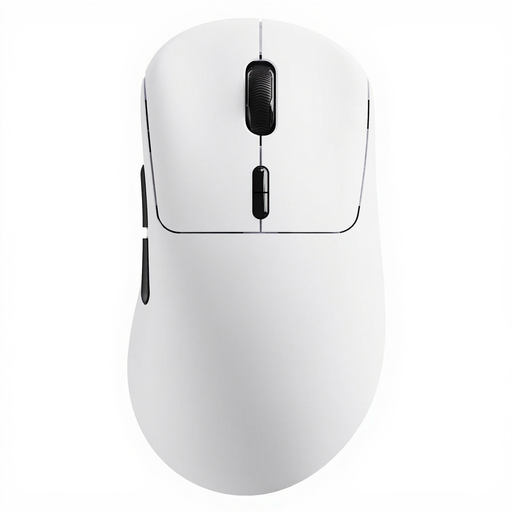
Rapoo VT3 Wireless Gaming Mouse
Why it suits this user: According to the product information, this model weighs 53 grams, offers tri-mode connectivity and has a stated battery life of up to 750 hours at 1,000 Hz. That makes it a good choice for gamers who want to charge less often.
The specifications list both a 1,000 Hz and an 8,000 Hz mode, so you can choose a lower load when 8K isn’t needed.
53 g, 26,000 DPI according to the product specifications, 10 programmable buttons and software support for macros.
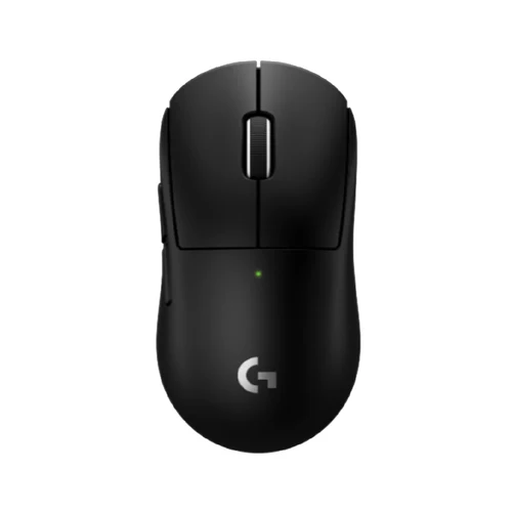
Logitech G PRO X Superlight 2c Wireless Gaming Mouse
Why it suits this user: According to the product information, this compact model is designed for smaller hands or players who prefer a more compact shape. Its wireless LIGHTSPEED connection is geared towards competitive gaming.
The stated 8K polling rate is a technical option, not something you have to use. The mouse also offers a lower setting and a stated battery life of up to 95 hours.
53 g, HERO 2 sensor, up to 44,000 DPI according to the product information, USB-C and five buttons with customisable functions.
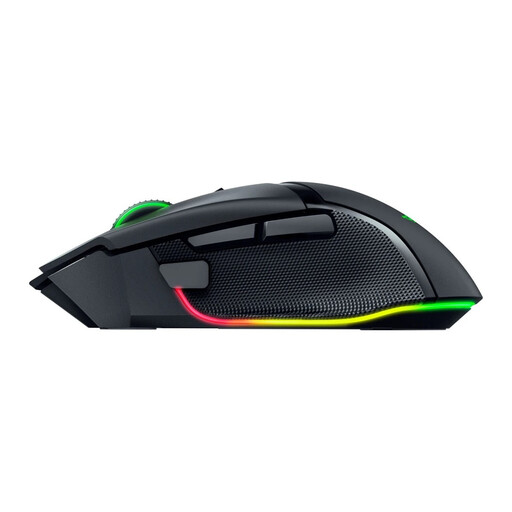
Razer Basilisk V3 Pro 35K Ergonomic Wireless Gaming Mouse
Why it suits this user: The ergonomic, right-handed shape and 11 programmable buttons make this a good fit for MOBA players, productivity tasks and gamers who want plenty of functions close to hand.
DPI isn’t the only factor here. The shape, thumb support and button layout make it clear what the mouse is designed for.
35,000 DPI according to the product information, 11 programmable buttons, RGB lighting and connectivity via 2.4GHz, Bluetooth or cable.
Which mouse suits your play style?
For fast FPS games, a lightweight gaming mouse with a symmetrical shape is often a good choice. If you use lots of macros, abilities or shortcuts, you’ll get more from a gaming mouse with programmable buttons. If you play for hours at a time or use the mouse for work too, pay extra attention to hand support, grip and overall weight.
A high polling rate is most useful when your PC, screen and games support it. For many users, a reliable 2.4GHz connection at 1,000 Hz remains a practical balance between responsiveness, battery life and processor load.
Looking for more options?
We’ve put together a complete, up-to-date list of products that meet these strict selection criteria and current European safety regulations.
Frequently asked questions
Is a wireless gaming mouse suitable for competitive gaming?
Yes, as long as you choose a 2.4GHz connection with a dedicated receiver and set up the mouse correctly. Bluetooth is more practical for general use. Also check whether the receiver is included and place it close to your mouse mat.
How long does the battery in a wireless gaming mouse last?
It varies greatly by model and settings. Lighting, polling rate and connection mode all affect battery life. A stated battery life is therefore a manufacturer’s estimate, not a guaranteed runtime in every situation.
Is a 4K polling rate worthwhile?
That depends on your system and play style. 4K can be useful with a high-refresh-rate screen and fast competitive games. For everyday PC use or less demanding games, 1,000 Hz is often enough and usually uses less battery.