
Choosing the Right Timer Switch for Energy Savings and a Smarter Home
Is your TV stand cluttered with devices that secretly consume power, even when they're off? Or do you want your lights to turn on while you're on holiday to deter unwanted visitors? A timer switch is a simple and affordable solution to gain control over your electrical appliances. It helps you save energy, increases comfort, and enhances home security.
However, the range of options is vast: from a simple mechanical timer to an advanced smart plug you can control with your voice. In this article, we'll help you make the right choice for your needs. We'll discuss what to look for and highlight some popular options.
What to Look for When Choosing a Timer Switch?
Before making a decision, it's useful to consider a few practical points. This ensures you choose a product that perfectly matches your requirements.
1. Mechanical or a Smart Plug?
The first and most important choice is the type of switch.
- Mechanical Timer Switch: This is the classic
timer switch. You set the on and off times using physical pins on a rotating dial. They are highly reliable, require no internet, and are simple to use. Ideal for tasks that need to happen at the same time every day, such as controlling aquarium lighting or a filter pump. - Smart Plug: A
smart plug, also known as aWi-Fi switch, connects to your Wi-Fi network. Through an app on your smartphone, you can set schedules, manually turn devices on and off from anywhere, and sometimes even monitor power consumption. They often work with voice assistants like Google Assistant or Amazon Alexa for added convenience.
2. Power Rating and Application
Not every timer switch is suitable for every appliance. Always check the maximum power rating, expressed in Watts (W) or Amps (A). A standard timer outlet can easily handle a lamp or a charger, but for high-consumption appliances like an electric heater or a washing machine, you need a model that can handle a higher load, such as 16A or 3680W. Never use a timer switch for appliances that require constant supervision.
3. Built-in or External Plug?
Most timer switches are external plugs that you insert directly into the wall socket. This is a flexible, plug-and-play solution. However, in-wall switches also exist. These are mounted inside the wall, replacing an existing light switch. This provides a sleek, permanent solution and is ideal for automating ceiling lights or electric curtains. Their installation does require some technical knowledge.
Timer Switch Recommendations
Based on functionality and application, we have selected a few interesting options for you.
TP-Link Tapo P110: The Smart Plug with Energy Monitoring
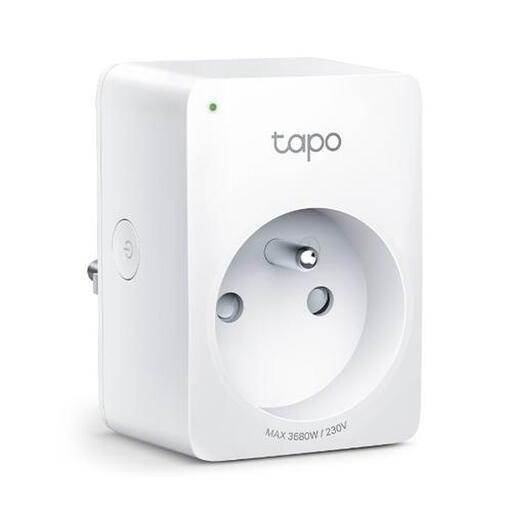
Why It Stands Out The TP-Link Tapo P110 combines smart functionality with a built-in energy monitor. The user-friendly Tapo app shows you exactly how much power a connected device is using. This makes it a powerful tool for identifying devices with high standby power consumption and lowering your energy bill. Furthermore, its compact design ensures that adjacent sockets remain accessible.
Pros
- Real-time energy consumption insights via the app.
- Remote control, scheduling, and voice assistant integration.
- Away Mode turns devices on and off at random times to simulate presence.
- Simple setup with no separate hub required.
Who Is It For? For anyone who wants maximum control and insight. Ideal for managing entertainment centres, computers, chargers, and kitchen appliances. If you want to know exactly what your devices consume and control them intelligently, this is an excellent choice.
Aigostar Mechanical Timer Switch: Simplicity and Reliability
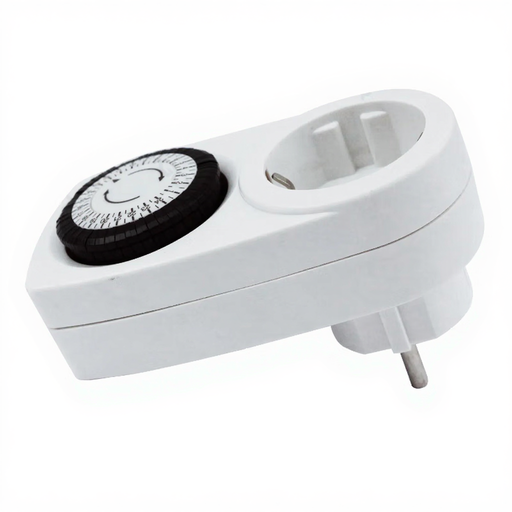
Why It Stands Out Sometimes, simplicity is best. This mechanical timer from Aigostar does exactly what it's supposed to do, without any apps or internet. You set the 24-hour cycle with the pins, and it reliably switches your device on and off. A "set it and forget it" solution that always works.
Pros
- Extremely easy to set up, no technical knowledge required.
- Works completely independently of Wi-Fi or apps.
- Robust and designed for daily, repetitive tasks.
- A budget-friendly and dependable solution.
Who Is It For? For users looking for a simple and reliable timer switch for a fixed task. Think of switching Christmas lights, a pond pump, or terrarium lighting on and off.
View the Aigostar Mechanical Timer Switch
Aigostar Smart In-Wall Switch: For a Seamless Integration
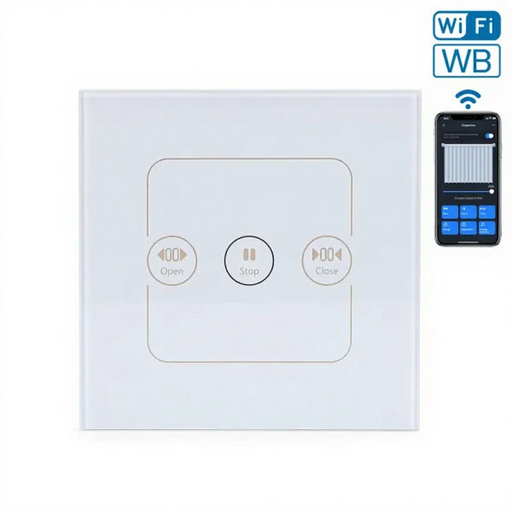
Why It Stands Out For those seeking a permanent and cleanly finished solution, this smart in-wall switch from Aigostar is an interesting option. It replaces a traditional wall switch, allowing you to automate your fixed lighting or electric curtains. It can be controlled via the touch button on the switch itself or through smart scheduling functions.
Pros
- Provides a sleek, integrated look without loose plugs.
- Control via touch, remote, and programmable schedules.
- Specifically designed for lighting or curtains up to a maximum load of 600W.
- An indicator light shows whether the switch is active.
Who Is It For? For homeowners who are renovating or want a permanent upgrade for their smart home. Perfect for automating the main lighting in the living room or opening and closing electric curtains at set times. Note: Installation should be performed by a qualified professional.
View the Aigostar Smart In-Wall Switch
Looking for Other Plug Solutions?
The world of plugs, adapters, and switches is vast. Are you looking for a different type of plug, or do you just want to browse what else is available?
For a broader overview of plugs and adapters, check out our Euro Plugs category.
Frequently Asked Questions About Timer Switches
1. How much energy does a timer switch save?
The savings depend on the connected appliance. A timer switch is especially effective against the phantom load of devices in standby mode, such as televisions, game consoles, and chargers left plugged in. A smart plug with an energy monitor can show you exactly how many kWh you are saving, which helps promote more conscious energy use.
2. Are smart plugs safe?
Yes, when used correctly. Always choose products with a CE marking, which indicates they meet European safety standards. Never exceed the maximum power rating indicated on the product (e.g., 16A). For the installation of in-wall switches, it is recommended to hire a qualified electrician.
3. Will a timer switch work if the Wi-Fi goes down?
A mechanical timer switch is completely independent of the internet and will always continue to work. For a smart plug, it depends on the model. Many modern smart plugs, like the TP-Link Tapo, store the set schedules locally. This means the schedules will continue to function even if the Wi-Fi connection is lost. Features that depend on the internet, such as remote control via the app, will temporarily be unavailable.