
How to Choose the Right Thermos Flask and Avoid Costly Mistakes
A hot cup of coffee during a cold morning break or a steaming soup for lunch on the go. A good thermos makes it possible. But the search for the right flask often ends in disappointment: a bag soaked with leaked coffee, a lukewarm meal, or a bottle that smells musty after just a few weeks. Many products promise the world but ultimately leave you in the cold.
As a Joybuy Product Recommendation Officer, I see where things go wrong every day. Before you invest in a new thermos flask, it's wise to look beyond the marketing claims. These are the most common pitfalls that cost you money and how to avoid them.
- Pitfall 1: The "leak-proof" lid that fails. Many flasks are marketed as leak-proof, but complex click-mechanisms or weak silicone rings wear out quickly. The result is a wet bag and a lot of frustration, especially when the flask is lying on its side.
- Pitfall 2: Exaggerated insulation claims. "Keeps cold for 24 hours" sounds great, but the reality is often different. Performance heavily depends on the starting temperature, ambient temperature, and how often you open the bottle. Poor vacuum construction means your drink or meal will cool down much faster than promised.
- Pitfall 3: A design that's impossible to clean. A narrow opening or a lid with many nooks and crannies is a breeding ground for bacteria and unpleasant odours. If you can't clean a food thermos properly, it quickly becomes unusable.
What to Look For: The Specs That Really Matter
To avoid a bad purchase, it's better to focus on a few objective features. These specifications determine the durability and functionality of your insulated flask.
Material: Why 304 (18/8) or 316 Stainless Steel is the Standard
Most quality thermos flasks are made of stainless steel. Look for the designation 304 stainless steel (also known as 18/8) or 316 stainless steel.
- 304 (18/8) Stainless Steel: This is the most common food-grade steel. It's durable, rust-resistant, and doesn't transfer flavours to your food or drink. A stainless steel thermos made of this material is a solid choice for daily use.
- 316 Stainless Steel: This is an even higher-grade steel with added molybdenum. It offers superior resistance to corrosion, especially from acids and salts. This makes it an excellent option for a soup thermos or if you often carry acidic drinks like fruit juice.
Lid and Seal: The Secret to a Truly Leak-Proof Thermos
The lid is the most vulnerable component. A simple, robust design is often more reliable than a complex mechanism. A good leak-proof thermos has a screw-on lid with a thick, removable silicone ring. This combination creates an airtight seal that is long-lasting and easy to clean.
Opening and Capacity: Food Thermos vs. Drink Flask
Function dictates form. A flask for hot and cold drinks usually has a narrow opening to better retain temperature and allow for direct drinking. A hot food container or a thermos lunch box, on the other hand, has a wide opening. This is essential for easily filling it with stews or pasta, eating directly from it, and cleaning it thoroughly.
Our Recommended Products
Based on these objective criteria, we have selected several popular choices that suit different users.
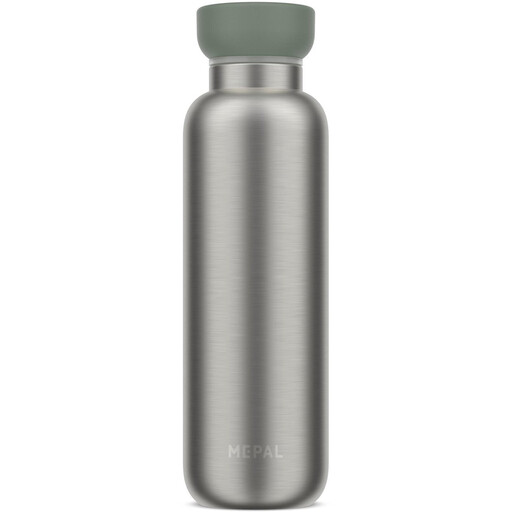
Mepal Insulated Bottle Ellipse - 500 ml, Nordic Sage
Why This Fits Their Persona: Perfect for students and professionals looking for a compact, reliable, and stylish bottle to carry in their bag. The 500 ml capacity is ideal for coffee, tea, or water on the go.
This Mepal thermos flask features a simple, effective screw-on lid that minimises the risk of leaks, unlike more complex systems that wear out quickly.
According to Mepal, the bottle keeps drinks hot for up to 12 hours and cold for 24 hours. The exterior remains cool and dry. The plastic parts of the lid are dishwasher-safe.
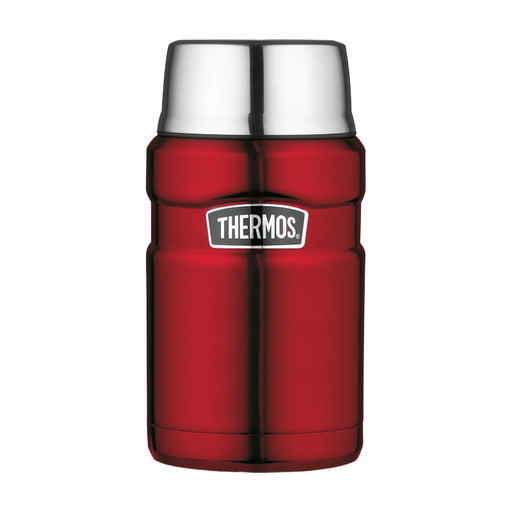
Thermos SK Food Jar cranberry red pol 0.71l
Why This Fits Their Persona: Ideal for those who want to bring a full hot meal like soup, pasta, or a stew to work, school, or on a hike.
The wide opening (9.3 cm) makes cleaning extremely easy, helping you avoid the pitfall of leftover food residue and odours. The robust screw-on lid is designed for reliability.
Made from durable 18/10 stainless steel with no inner coating, which keeps the taste pure. The 710 ml capacity is more than enough for a lunch.
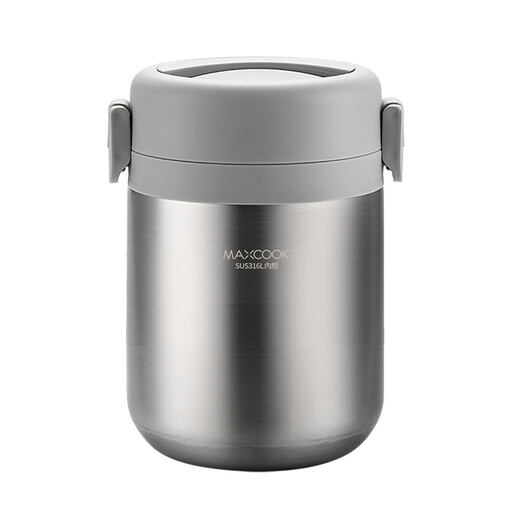
Maxcook 316 Stainless steel Insulated Food Jar 1.5L
Why This Fits Their Persona: For those who need to carry large portions, multiple meals, or drinks for a group. Ideal for a family day out, a picnic, or a long day on-site.
Made from 316 stainless steel, a superior grade of steel that is extra resistant to corrosion. This guarantees a long lifespan, even with intensive use and a wide variety of foods.
Very large 1.5-litre capacity. The wide opening makes filling, serving, and cleaning easy. According to the manufacturer, the vacuum insulation keeps contents at temperature for 4-6 hours.
Looking for more options?
We have compiled a complete, up-to-date list of products that fully meet these strict selection criteria and local regulations.
Frequently Asked Questions about Thermos Flasks
How do I clean my thermos and keep it odour-free?
The best method is to rinse the flask with hot water immediately after use. For a thorough cleaning, use warm water and a bit of dish soap. Use a bottle brush to scrub the inside properly. Stubborn odours or stains? Let the flask soak overnight with a solution of hot water and a tablespoon of baking soda. Don't forget to clean the lid and the silicone ring separately.
How can I keep my drink warmer for longer?
A simple trick is to preheat the thermos. Before filling it with your hot beverage or meal, first pour in boiling water. Let it sit for a few minutes with the lid on. Pour out the water and immediately fill the flask with the hot contents. This prevents the cold inner wall from instantly drawing out the heat. The same principle applies to keeping things cold: pre-chill it with ice-cold water first.
Is a more expensive thermos always better?
Not necessarily. The price is often influenced by brand name and design. You can identify a functionally better flask by its specifications: the quality of the stainless steel (304 or 316), a double-walled vacuum construction, and a simple, reliable screw-on lid. An affordable flask with these features can perform just as well as, or even better than, a more expensive designer model with inferior specs.