
Choosing the Right Smart Scale: A Practical Guide Without the Hype
A smart scale seems like a simple purchase, until you find the app stops working after three months, the measurements are all over the place, or you're locked into an unexpected subscription. Many models promise a complete body analysis but, in reality, mostly deliver frustration. Before you make a choice, it's important to know where the pitfalls lie.
Common problems include unstable Bluetooth connections and apps that are filled with ads or simply no longer updated. Another pitfall is the focus on an endless list of metrics that add little practical value. A scale that promises 25 different data points isn't necessarily better than one that accurately measures 10 core values.
What to Look For: The Core Specifications
To avoid buyer's remorse, it's best to focus on a few concrete specifications. These determine whether a smart scale will be a useful tool or a source of annoyance.
1. Accuracy and Sensor Technology
The foundation of any app-connected bathroom scale is the reliability of its measurements. A good scale provides consistent results when you weigh yourself multiple times in a row.
- Sensors: Most smart scales use Bioelectrical Impedance Analysis (BIA) to perform a body composition analysis. This involves sending a weak, unnoticeable electrical current through the body. Models with four electrodes (where your feet stand) are the standard. For a more detailed analysis of the torso, arms, and legs, there are also models with eight electrodes, including a handle.
- Accuracy: Pay attention to the precision, indicated in increments like 0.05 kg or 0.1 kg. A smaller increment size indicates higher precision, which is useful for tracking small changes in your weight.
2. App Functionality and User Profiles
A Bluetooth scale is only as good as its companion app. Check if the app is compatible with your smartphone (iOS/Android) and if it can sync with other health apps you use, such as Apple Health or Google Fit.
- User Profiles: If you plan to use the scale with the whole family, it's essential that the model supports multiple user profiles. Popular choices automatically recognize users based on their weight, keeping everyone's data private.
- Costs: Verify whether all app features are free. Some brands eventually require a subscription fee for access to detailed analyses or your own data history.
3. The Metrics That Really Matter
A scale with body fat percentage and a BMI scale are popular features. Consider which data is relevant to you. For most people, the following metrics are sufficient to monitor their progress:
- Weight
- BMI (Body Mass Index)
- Body Fat Percentage
- Muscle Mass
- Bone Mass
- Water Percentage
More specialized metrics like visceral fat or basal metabolic rate can be useful, but they are not necessary for everyone.
Product Recommendations for Different Users
To help you with your choice, we have selected a few models that suit different needs and budgets.
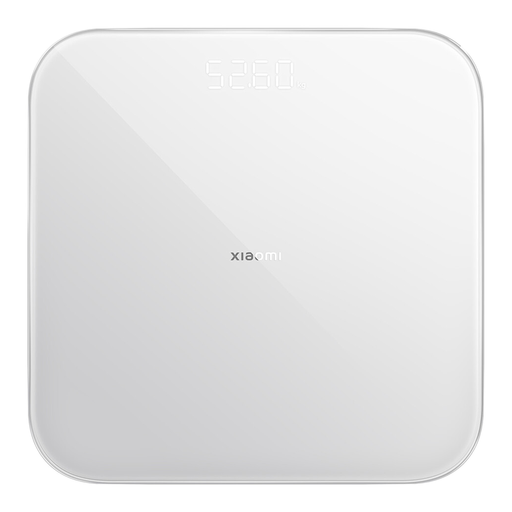
Xiaomi Mi Smart Scale S200 (White)
Why This Fits Their Persona: Ideal for those seeking a reliable and simple smart scale without paying for features you don't use. Perfect for tracking weight and BMI via a stable app.
This model avoids the pitfall of unnecessary features. It focuses on the four most important metrics and a well-functioning app (Xiaomi Home), so you don't pay for extras you don't need.
High precision with 0.05 kg increments and a reliable Bluetooth 5.4 connection. The app is from a well-known brand and is well-maintained.
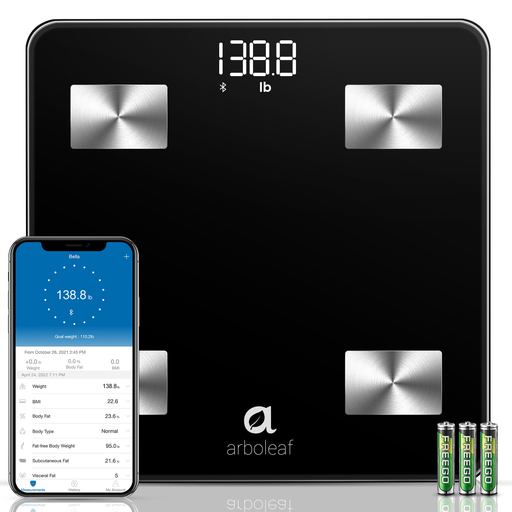
Arboleaf Smart Body Scale (CS20N)
Why This Fits Their Persona: Suitable for families who want to share a single scale without mixing up data. The scale offers a good balance between comprehensive metrics and ease of use.
This model solves the problem of shared use. It supports an unlimited number of users and automatically recognizes who is on the scale, a feature that cheaper models often struggle with.
Automatic user recognition for the whole family and a comprehensive analysis of 14 key body metrics, including muscle mass and body fat percentage.
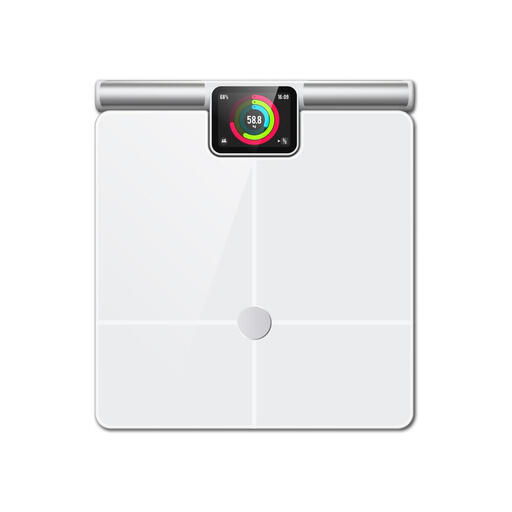
8-Electrode Body Fat Smart Scale
Why This Fits Their Persona: For fitness enthusiasts, athletes, or anyone who wants the most detailed and accurate body composition analysis. This model measures individual body parts for a complete picture.
Where standard BIA scales provide an estimate for the whole body, this model tackles the pitfall of inaccurate fat measurements by using 8-electrode technology for a segmented analysis of arms, legs, and torso.
Professional 8-electrode measurement, 56 comprehensive metrics, and a clear TFT color screen on the scale itself. Supports both Wi-Fi and Bluetooth for automatic synchronization.
Looking for More Options?
We have compiled a complete, up-to-date list of products that meet these selection criteria and local regulations.
Frequently Asked Questions
How accurate is a scale with body fat percentage?
The accuracy of a scale with body fat percentage that uses BIA technology is intended as a good indicator for home use. The measurements are especially valuable for tracking trends over a longer period. For the most reliable results, it is advisable to always measure at the same time and under the same conditions, for example, in the morning after getting up. The measurements are not intended for medical diagnoses.
Does a smart scale work on carpet?
No, a digital scale must always be placed on a hard, flat surface, such as tile, laminate, or hardwood. On a soft surface like carpet, the scale cannot remain stable, which leads to inaccurate and inconsistent measurements.
Do I have to pay for a smart scale's app?
With most reputable brands, the basic functions of the app are free to use. You can sync your measurements, view graphs, and track your progress. However, be alert for models from unknown brands that may require a subscription for access to your own data or advanced analyses after a trial period. Always check this before making a purchase.