
Choosing a Security Camera in 2026: A Practical Guide
The range of security cameras on the market can be overwhelming. The wrong choice can quickly lead to frustration, from grainy footage and complicated installation to unexpected subscription fees. The goal is to find a reliable system that fits your needs without unnecessary complexity. This guide will help you make an informed decision based on clear specifications and features.
What to Look for When Buying?
Before choosing a model, it's helpful to understand the key parameters. These specifications determine how the camera will perform in your specific environment.
Resolution: HD, Full HD, or 2K?
Resolution determines the sharpness of the image. A higher resolution means more detail, which can be crucial for identifying people or objects.
- HD (720p): Sufficient for a general overview, but details can be blurry.
- Full HD (1080p): The current standard for clear video.
- 2K (1440p) or higher: Offers superior sharpness, allowing you to zoom in further without significant loss of quality. A 2K camera is an excellent choice for those who value detail.
Indoor or Outdoor Camera (IP Rating)
An outdoor camera must be able to withstand the elements. The IP rating indicates its level of protection. For example, a camera with an IP66 rating is dust-tight and protected against powerful water jets, making it suitable for outdoor use. An indoor camera typically doesn't require this level of protection.
Connectivity: Wi-Fi or Wired?
- Wi-Fi camera: Easy to install without network cables. Most modern home cameras are wireless security cameras that connect to your 2.4 GHz Wi-Fi network. Be sure to check your network's stability at the intended location.
- Wired IP camera: Offers a more stable connection via an Ethernet cable, but the installation is more complex. This type is more common in professional settings.
Key Features
- Camera with night vision: Essential for 24/7 monitoring. There are two types: infrared (black-and-white video) and colour night vision (often aided by a built-in spotlight).
- PTZ (Pan-Tilt-Zoom): A PTZ camera can pan, tilt, and zoom remotely. This gives you a much wider coverage area with a single camera.
- Smart detection: A smart camera can distinguish between people, animals, or vehicles. This reduces the number of false alerts.
- Camera with an app: Virtually every modern home security camera is controlled via a smartphone app. This allows you to view live footage, receive notifications, and adjust settings.
Storage: Local (SD Card) or Cloud?
Footage can be stored in two ways:
- Local storage: Usually via a microSD card inside the camera itself. You have no subscription fees, but the card can fill up or become damaged.
- Cloud storage: Footage is saved to a remote server. This is more secure against camera theft but typically requires a paid subscription.
Our Top Picks for 2026
Below is a selection of cameras with different features, suitable for various applications. These recommendations are based on product specifications.
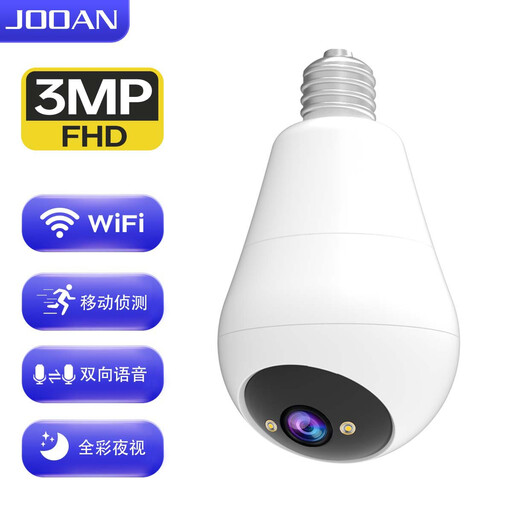
1. JOOAN HD 2K 3.0MP Wireless Light Bulb Security Camera
-
Why this product: Installation is exceptionally simple. You just screw the camera into a standard E27 light socket, eliminating the need for drilling or running cables. This makes it a discreet and practical solution for indoor spaces.
-
Advantages:
- Resolution: 2K 3MP for sharp images.
- Installation: Fits into a standard E27 light socket.
- Features: PTZ functionality (355° pan, 90° tilt), smart motion detection with auto-tracking, and two-way audio.
- Night Vision: Features both infrared and colour night vision via a built-in spotlight.
-
Who it's for: Renters or homeowners looking for an effective indoor camera to monitor a room, hallway, or pets, without making permanent modifications to their property.
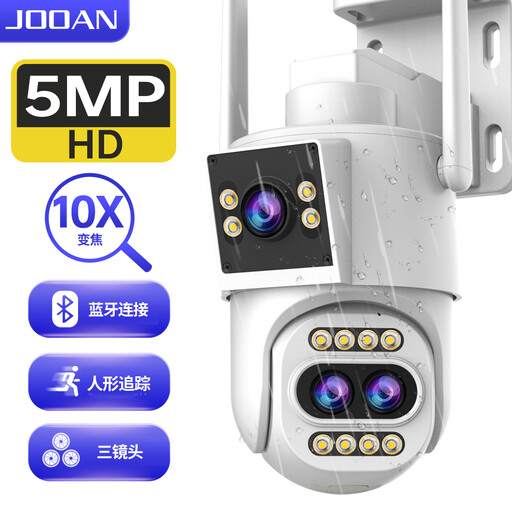
2. JOOAN Outdoor Security Camera 2K Triple Lens
-
Why this product: This JOOAN camera offers an advanced monitoring solution with three lenses and 10x optical zoom. This allows you to maintain a wide overview while also zooming in on distant details without losing quality.
-
Advantages:
- Lenses: Three lenses provide a dual-view display in the app; one for a fixed overview and one for PTZ monitoring.
- Zoom: 10x optical zoom for a clear image at a great distance.
- Durability: IP66-rated, making it fully weatherproof for outdoor use.
- Extras: Built-in siren, two-way audio, and three night vision modes (infrared, colour, and smart).
-
Who it's for: Users who need to monitor a large outdoor area, such as a driveway, garden, or business premises, and require the flexibility of powerful zoom and PTZ controls.
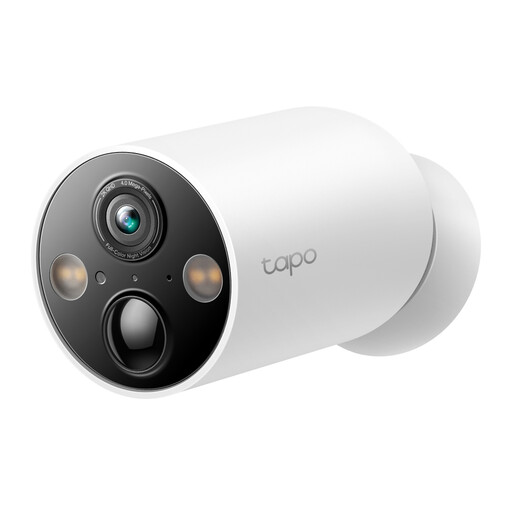
3. TP-Link Tapo C425 Spherical Outdoor IP Security Camera
-
Why this product: This TP-Link Tapo camera combines a 100% wire-free design with a magnetic base, ensuring maximum placement flexibility. It comes from a well-known brand in networking products and integrates with popular smart home platforms.
-
Advantages:
- Installation: Completely wireless and battery-powered, with a magnetic base for easy mounting on metal surfaces or with the included plate.
- Image Quality: 2K QHD resolution (2560 x 1440 pixels) with a wide 150° viewing angle.
- Weatherproof: IP66 rating for reliable outdoor use.
- Smart Home: Works with Amazon Alexa and Google Assistant.
-
Who it's for: Anyone looking for a flexible, battery-powered Wi-Fi camera that is easy to install and relocate, for use both indoors and outdoors. Ideal for integration into an existing smart home ecosystem.
Looking for Something Else?
The cameras listed above are designed for visible monitoring. For situations where a camera needs to remain completely unnoticed, such as for discreet observation in an office or retail space, specialised solutions are available. Check out our selection of hidden cameras for compact and inconspicuous monitoring.
Frequently Asked Questions
1. Do I need a subscription for a security camera? Not always. Most cameras, including the models mentioned above, support local storage on a microSD card. This is a one-time purchase with no monthly fees. Cloud storage is an optional, paid service that can offer extra features and security, such as off-site backups.
2. What is the difference between an IP camera and a Wi-Fi camera? An IP camera is any camera that sends and receives data over an IP network (like the internet). A Wi-Fi camera is a specific type of IP camera that connects to this network wirelessly. In practice, the terms are often used interchangeably for cameras that you can view via an app on your phone.
3. How does a security camera with night vision work? Most cameras use infrared (IR) LEDs. These emit light that is invisible to the human eye but is picked up by the camera's sensor. This results in a clear black-and-white image in complete darkness. Some models also have a small spotlight that can be activated to record in colour at night.