
How to Choose a Bluetooth Speaker Without Common Buying Mistakes
A good Bluetooth speaker can set the right mood anywhere: in the park, on the beach, or simply in your own garden. But the market is flooded with models that promise the world. Many buyers discover after a few weeks that their new wireless speaker doesn't quite live up to their expectations. Before you make a choice, it's wise to know where the pitfalls lie.
Common marketing claims often lead to a bad purchase. We consistently see three problems recurring:
- The "Waterproof" Trap: A speaker is sold as waterproof but doesn't survive a fall into the pool. The term 'waterproof' is used too broadly, and the technical specifications (the IP rating) are often ignored.
- The High-Wattage Myth: Manufacturers advertise a high number of watts as a sign of superior sound. In reality, this often means distorted audio at higher volumes, not necessarily better sound quality.
- Unrealistic Battery Life: The advertised playtime of 20 hours sometimes turns out to be only 8 hours in practice. This is because the measurement is often done at 50% volume and without extra features (like RGB lighting) enabled.
By paying attention to a few key specifications, you can avoid these disappointments and choose a speaker that truly suits you.
What to Look for When Buying
To make a durable and smart choice, you don't need to understand all the technical details. Focus on the following three points, and you'll immediately separate the wheat from the chaff.
1. IP Rating: What Does 'Waterproof' Really Mean?
The water and dust resistance of a speaker is indicated by an IP rating. This is an international standard, not a marketing term. For an outdoor speaker or a model you take to the beach or bathroom, this is a crucial feature.
- IPX4: Splash-proof. Survives a light rain shower, but not much more.
- IPX7: Submersible. Can remain underwater at a depth of 1 metre for up to 30 minutes. This is a good standard for a robust, waterproof speaker.
- IP67: Fully dustproof and submersible. The '6' means no dust can penetrate, and the '7' indicates the same water resistance as IPX7. This is the most rugged option for a portable speaker that goes everywhere with you.
So, always look at the IP rating and not just the term 'waterproof' in the description.
2. Battery Life: Look Beyond the Number on the Box
Battery life is essential for a wireless speaker. Manufacturers are often optimistic in their specifications. Therefore, pay attention to the conditions under which the battery life was measured. A playtime of "up to 12 hours" might only be achievable at a low volume.
A realistic estimate is often 60-70% of the advertised maximum time during normal use. Also, check the charging method. A USB-C port is the modern standard and typically charges the speaker faster than older micro-USB ports.
3. Sound Quality: Drivers and Bass Radiators
Don't be fooled by high wattage. The quality of the sound depends on the components used, such as the drivers (the speakers themselves) and passive radiators.
A speaker with good bass often has one or more passive radiators. These vibrate along with the air moved by the active driver, producing deeper low tones without consuming extra power. This is a more efficient way to achieve a full bass in a small Bluetooth speaker. Brands like Bose and Sony are known for their advanced audio technology that utilises this.
Our Recommended Products
Based on objective specifications, we have selected a number of models that fit different user profiles.
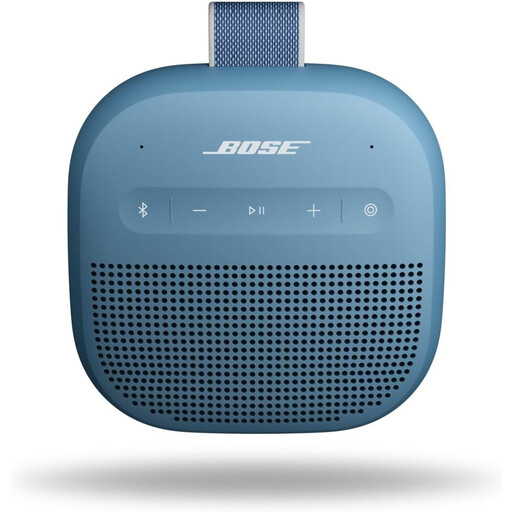
Bose New SoundLink Micro Portable Speaker (2nd Gen) Blue Dusk
Why This Fits Their Persona: Perfect for those seeking a compact yet rugged speaker. Thanks to its tear-resistant strap, you can easily attach it to a backpack during a hike or to your bike's handlebars. Ideal for active users who don't want to compromise on sound quality.
With an IP67 rating, this speaker is fully dustproof and waterproof, thus avoiding the 'waterproof' trap. It can truly withstand bumps and a dip in the water.
Surprisingly clear sound and deep bass for its size. The 12-hour battery life is reliable for a day out.
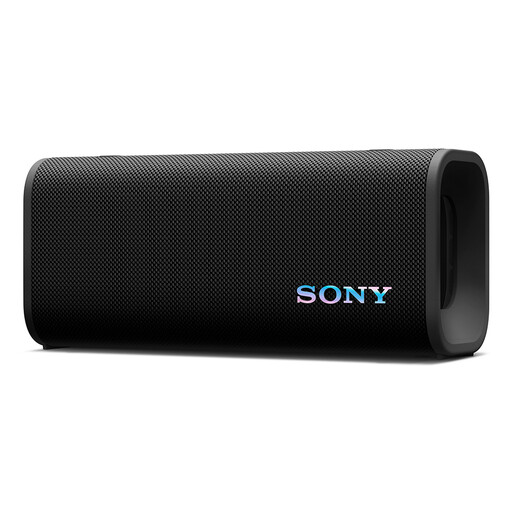
Sony ULT FIELD 3 - Portable Bluetooth Speaker with ULT POWER SOUND - Black
Why This Fits Their Persona: For those who prioritise sound quality and deep bass. This Sony speaker is designed for powerful sound, both indoors and outdoors. Its long battery life makes it ideal for garden parties or long days at the park.
This speaker bypasses the 'wattage myth' by focusing on sound technology (ULT POWER SOUND) instead of an empty number. The 24-hour battery life is a realistic specification for long-term use.
Powerful bass and clear sound, even at high volumes. Fully water, dust, and rust-proof (IP67) and also functions as a power bank.
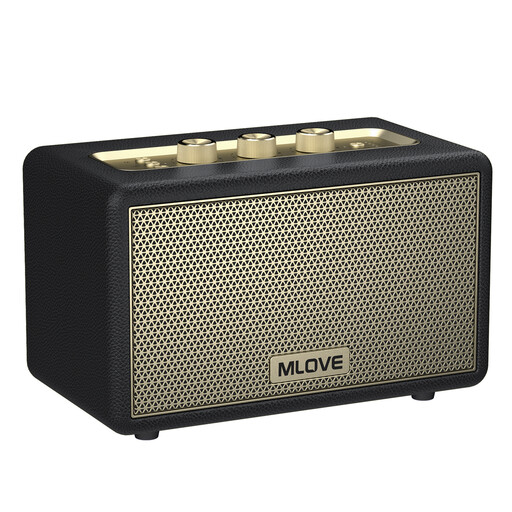
Mlove A200 Elegant Retro Bluetooth Speaker - Black
Why This Fits Their Persona: For those looking for a speaker that not only sounds good but also complements their interior decor. The retro design with physical knobs for bass and treble makes it a functional and stylish object for the living room or office.
This model focuses on the home experience. It's not designed for extreme conditions, making it honest about its purpose. The separate controls for bass and treble give you control over the sound, rather than relying on a vague 'power' claim.
Stylish retro design with high-quality materials. Features a 4-inch subwoofer and 2.6-inch tweeter for a rich and dynamic sound.
Looking for more options?
We have compiled a complete, up-to-date list of products that fully meet these strict selection criteria and local regulations.
Frequently Asked Questions
How long does an average Bluetooth speaker last?
The lifespan of a Bluetooth speaker depends on two factors: the battery and the build quality. The lithium-ion battery in most speakers lasts about 3 to 5 years, depending on how often you charge it. The physical durability depends on the materials and the IP rating. A model with an IP67 rating and a sturdy housing will generally last longer, especially with outdoor use.
Can I pair two Bluetooth speakers at the same time?
Yes, many modern speakers support True Wireless Stereo (TWS). This feature allows you to wirelessly connect two identical speakers. One speaker then acts as the left channel and the other as the right channel, creating a wider and more immersive stereo sound. Check the product specifications for the term 'TWS' or 'Stereo Pairing'.
Is a more expensive Bluetooth speaker always better?
Not necessarily. A higher price is often linked to a well-known brand, more advanced sound technology, better materials, and extra features like app integration or multi-room audio. However, for simple use in and around the home, a more affordable model that meets the basic criteria (good IP rating, realistic battery life) can be an excellent choice. It's more important to see if the specifications match your usage than to blindly opt for the most expensive model.