
Buying a Toothbrush in 2026: A Practical Guide to Making the Right Choice
Choosing a new toothbrush can be more complex than it seems. The shelves are filled with options: from a simple manual toothbrush to an advanced electric toothbrush with various brushing modes and sensors. The question isn't which one is the 'best', but which toothbrush is most suitable for your teeth, budget, and personal preference. The wrong choice can lead to insufficient cleaning or even irritation. This guide provides a factual overview of the criteria and product features to help you make an informed decision.
Buyer's Guide: What to Look for When Buying a Toothbrush?
Before making a choice, it's helpful to understand the fundamental differences and specifications. Your personal oral care routine and the condition of your teeth will determine which features are important for you.
Electric Toothbrush vs. Manual Toothbrush
The choice between electric and manual is the first step. There is no single answer as to which is better; it depends on usage and preference.
- Manual Toothbrush: Offers complete control over the brushing motion and pressure. They are affordable, widely available, and require no power. A correct brushing technique is crucial for effective cleaning.
- Electric Toothbrush: Delivers a consistent brushing motion (rotating, sonic, or magnetic) that can simplify cleaning. Many models are equipped with aids like a 2-minute timer and a pressure sensor that warns you if you're brushing too hard. This can be particularly beneficial for people with sensitive gums.
Key Features and Specifications
Regardless of the type of toothbrush, several parameters determine its effectiveness.
- Bristle Hardness: Most dentists recommend a soft or medium brush head to avoid damaging tooth enamel and gums. Hard bristles are generally discouraged unless specifically advised by a dental hygienist.
- Brush Head Shape: A smaller, compact brush head can more easily reach difficult areas, such as the back molars.
- Interdental Cleaning: Some toothbrushes have specially shaped bristles, such as criss-cross or tapered bristles, designed to clean better between the teeth. This is a supplement to, and not a replacement for, flossing or using interdental brushes.
- Extra Features (Electric): Consider various brushing modes (e.g., for sensitive teeth, whitening, or gum care), a pressure sensor, and app connectivity for feedback on your brushing habits.
Our Selection for 2026
Based on the criteria above, we have made a selection of products with clear, functional properties that cater to different user needs.
1. Oral-B iO Series 2 with Travel Case Calm Pink
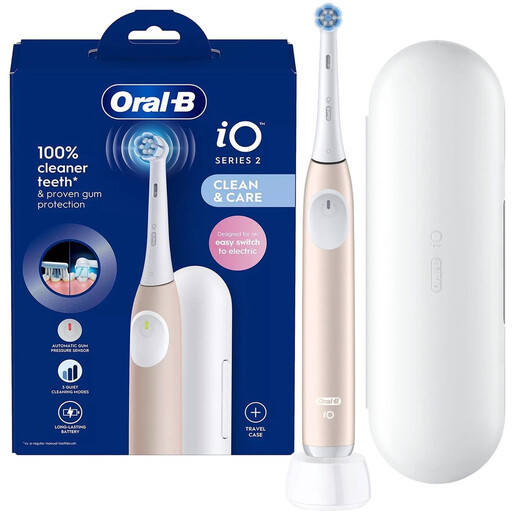
Why this product This Oral-B toothbrush uses the brand's proprietary magnetic iO technology. According to Oral-B, this technology provides a gentle yet thorough clean through micro-vibrations. The device is designed with ease of use in mind, focusing on essential functions without unnecessary complexity.
Benefits
- Brushing Technology: 3D magnetic technology (rotating, vibrating, and pulsating).
- Brushing Modes: Three modes: Daily Clean, Sensitive, and Gentle Mode.
- Pressure Sensor: A smart pressure sensor with an LED indicator uses light to show whether you are brushing too hard, too soft, or just right.
- Timer: Built-in 2-minute quadrant timer that signals every 30 seconds to move to a different part of the mouth.
- Accessories: Comes with a compact travel case for hygienic storage.
Who is this suitable for This model is a great entry point into advanced oral care. It is particularly suitable for users needing a toothbrush for sensitive teeth and for anyone considering the switch from a manual to an electric toothbrush.
2. Colgate Toothbrush ZigZag Medium - 3-pack
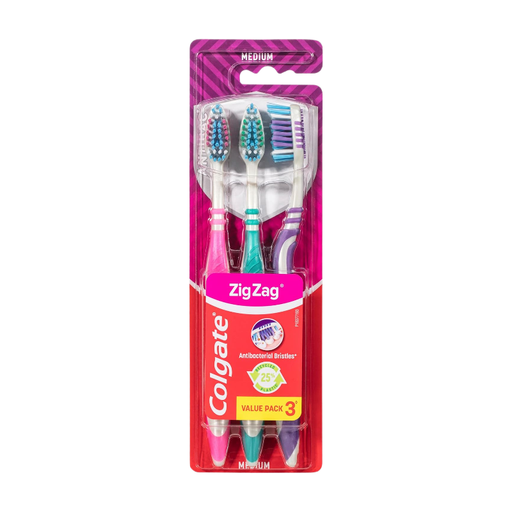
Why this product The Colgate ZigZag is a manual toothbrush that goes beyond a standard design. The criss-cross bristles are designed to reach deeper between the teeth and remove plaque more effectively. The value pack of three offers excellent value for money.
Benefits
- Bristles: Criss-cross bristles with a medium hardness for a thorough clean, including between the teeth.
- Design: The flexible neck helps to reduce pressure on the gums.
- Extra: A soft tongue cleaner on the back of the brush head helps remove bacteria.
- Packaging: Convenient 3-pack, ensuring you are supplied for a longer period.
Who is this suitable for Ideal for users who prefer the control of a manual toothbrush but are looking for enhanced cleaning performance. Also a practical choice for families or for those who like to keep a stock at home.
3. Reach Interdental Toothbrush Medium - 1 pcs
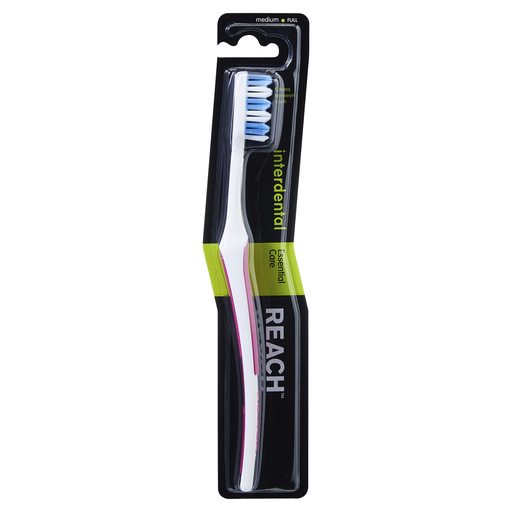
Why this product This toothbrush from Reach is specifically designed as an interdental toothbrush. The focus is on cleaning the spaces between the teeth and along the gumline, areas where plaque easily accumulates.
Benefits
- Brush Head: A slim, tapered head with medium bristles to effectively clean hard-to-reach areas.
- Handle: The ergonomic handle is designed for a comfortable grip and precise control while brushing.
- Focus: The design is entirely focused on reaching and cleaning interdental spaces.
Who is this suitable for This toothbrush is a great choice for people who want to pay extra attention to cleaning between their teeth. It can be a primary toothbrush or used as a supplement to another (electric) toothbrush for targeted cleaning.
Looking for specific interdental cleaning?
Although toothbrushes with interdental features help, a complete clean between the teeth often requires more. Products like interdental brushes, picks, and floss are specially designed to remove plaque and food debris from places a toothbrush can't reach. Adding one of these tools to your daily routine can significantly support your oral health.
For a complete overview of specialised tools, check out our Interdental Brushes category.
Frequently Asked Questions about Toothbrushes (FAQ)
1. How often should I replace my toothbrush or brush head? The general recommendation is to replace your toothbrush or the brush head of your electric toothbrush every three months. Replace it sooner if the bristles are visibly frayed or bent, or after an illness.
2. Is an electric toothbrush better than a manual toothbrush? Not necessarily. An electric toothbrush can make cleaning more effective and consistent thanks to its built-in timers and constant motion. However, with a proper brushing technique, a manual toothbrush can also deliver excellent results. The choice depends on personal preference, discipline, and budget.
3. What is the purpose of a pressure sensor on an electric toothbrush? A pressure sensor is designed to protect your gums and tooth enamel. Brushing too hard is a common problem and can lead to receding gums and enamel wear. The sensor alerts you (often with a light or sound signal) when you apply too much pressure, allowing you to adjust your technique.
Written by: Joybuy Product Recommendation Officer