
Buying Soap: How to Avoid a Bad Purchase and Find the Right Bar
A good bar of soap is one of the simplest products in the bathroom, yet choosing the right one can be surprisingly tricky. The shelves are packed with promises, from "extra hydrating" to "purely natural." Still, we often end up with a bar that leaves our skin feeling tight or simply doesn't suit our needs.
Before you buy a new soap, it's wise to consider a few common pitfalls:
- The "Natural" Marketing Trap: The term "natural soap" is used frequently, but it doesn't always mean the same thing. Sometimes it refers to a few botanical extracts in an otherwise standard formula. A truly natural soap is often based on a limited number of ingredients and a traditional saponification process.
- The Myth of Universal Hydration: Many soaps claim to be hydrating but simultaneously strip your skin of its natural oils. This leads to that familiar dry and tight feeling. A truly hydrating soap contains specific ingredients that retain moisture, such as glycerin or shea butter.
By paying attention to these points, you can avoid spending money on a product that doesn't deliver on its promises.
What Should You Look for When Choosing Soap?
To make the right choice, it helps to know what to look for. The ingredient list might seem complicated, but a few basic principles will help you significantly.
The Basics: Soap Ingredients and Their Effects
Every bar of soap starts with a base of saponified oils or fats. On the packaging, you'll often see terms like:
- Sodium Palmate / Sodium Palm Kernelate: Made from palm oil. This creates a hard, long-lasting bar of soap that lathers well.
- Sodium Tallowate: Made from animal fat. This produces a very creamy and moisturizing lather.
- Sodium Olivate / Cocoate: Made from olive oil or coconut oil. These oils are known for their milder, more conditioning properties.
An important ingredient created during this process is glycerin. This is a natural humectant that attracts water and helps keep the skin hydrated. In many mass-produced soaps, the glycerin is partially removed, but in high-quality soaps, it is retained for its conditioning effect.
Hydration or Dehydration?
If you're looking for a soap that won't dry out your skin, look for additives known for their nourishing properties. Ingredients like shea butter, almond oil, olive extract, or the addition of a "quarter moisturizing cream," as often mentioned with Dove soap, help support the skin's moisture balance. These soaps are ideal as a body soap for daily use.
Specific Needs: From Baby Soap to Active Ingredients
Not all skin is the same. That's why there are soaps for specific needs:
- Soap for sensitive skin: Opt for products without perfume, dyes, and with a minimal ingredient list. Brands like Neutral specialize in this. These soaps are often pH-neutral to prevent irritation.
- Baby soap: A baby's skin is extra vulnerable. A good baby soap, like those from Zwitsal, is dermatologically tested, pH-skin-friendly, and free from harsh cleansers like SLES sulfate.
- Soap with active ingredients: For blemish-prone skin or specific skin issues, a soap with active ingredients like salicylic acid (BHA) can be beneficial. These help to deeply cleanse pores.
Recommended Products for Different Needs
To help you with your choice, we've highlighted several popular soaps that fit different user profiles.
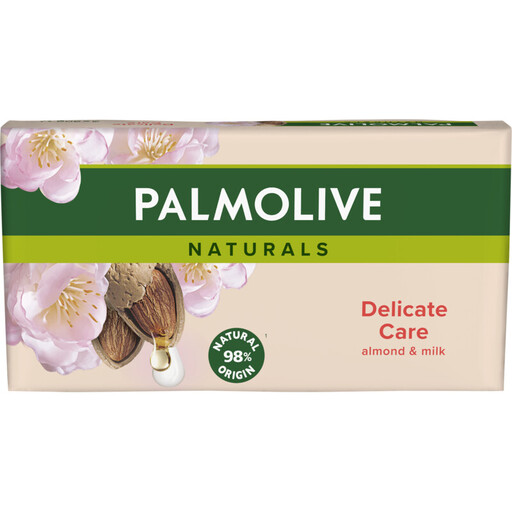
Palmolive Soap - Delicate Care Almond 4 x 90 g
Why This Fits Their Persona: This value pack of Palmolive soap is a practical choice for the whole family. The formula is enriched with almond extract and is designed for gentle cleansing, making it a reliable option for daily hand and body washing.
Instead of vague claims, this soap contains glycerin and almond extract, ingredients known for their conditioning properties that help prevent dryness.
Convenient 4-pack offering great value for money. Formula enriched with almond extract for a soft feel.
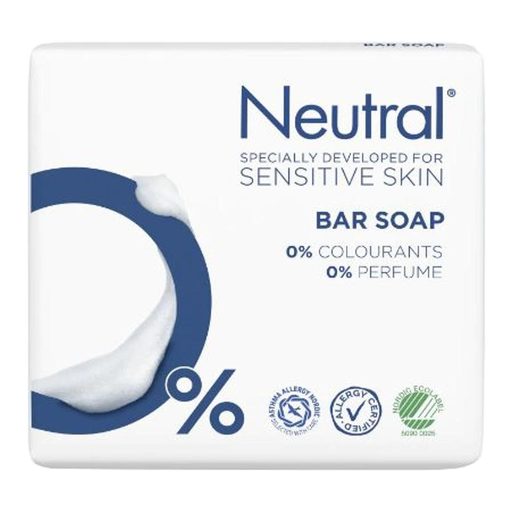
Neutral - Soap bar Duo 2 x 100 grams
Why This Fits Their Persona: For those prone to skin irritation, a minimalist approach is often the solution. This soap for sensitive skin from Neutral is fragrance-free and contains a limited number of ingredients to minimize the risk of allergic reactions.
This product bypasses the trap of unnecessary additives. It focuses purely on cleansing without burdening the skin with perfumes or dyes, which are often the culprits behind skin irritation.
0% perfume and 0% dyes. Contains glycerin to help maintain the skin's natural moisture balance.
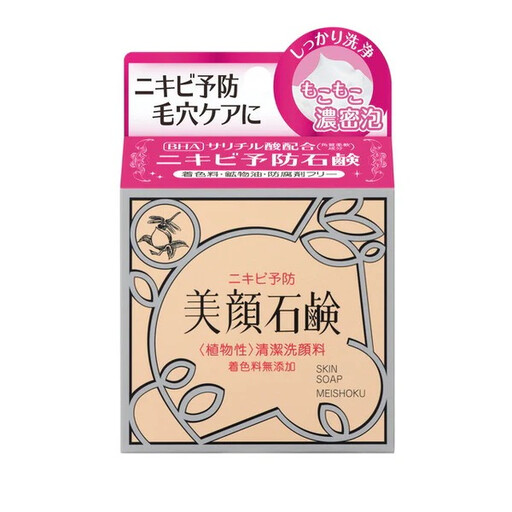
Meishoku Beauty Soap Facial Bar 80 g
Why This Fits Their Persona: For the skincare enthusiast looking for more than just cleansing. This facial soap is formulated with salicylic acid (BHA), an ingredient known for its ability to unclog pores and tackle impurities.
This is not an 'all-in-one' product with vague promises. It's a specialized soap with a clear purpose and an active ingredient (BHA) targeted at addressing impurities and excess sebum.
Contains salicylic acid (BHA) for deep pore cleansing. Can also be used for blemishes on the back and chest.
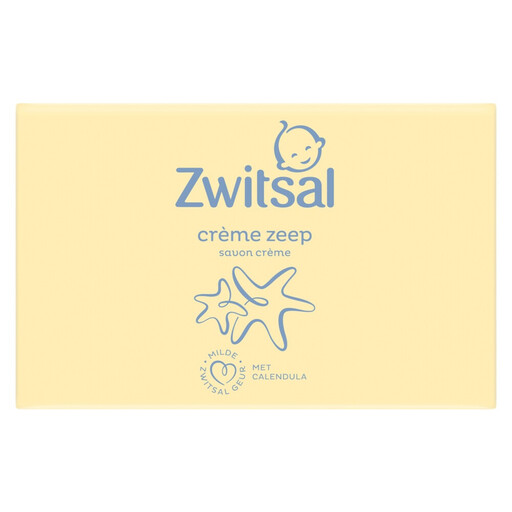
Zwitsal Baby cream soap 4*90g
Why This Fits Their Persona: Parents looking for a trusted and gentle cleanser for their baby. This baby soap from Zwitsal is specially developed for sensitive baby skin, with a pH-skin-friendly formula and the brand's well-known mild fragrance.
Instead of being a generic 'mild' soap, this product is specifically formulated and tested for baby skin. It is free of SLES sulfate, a cleanser that can be too harsh for delicate skin.
Dermatologically tested and pH-skin-friendly. Contains calendula and nourishing ingredients to help maintain moisture balance.
Looking for More Options?
We have compiled a complete, up-to-date list of products that meet these strict selection criteria and Dutch safety regulations.
What is the difference between a bar of soap and liquid hand soap?
A bar of soap is traditionally made by saponifying oils and fats. It often has minimal packaging and lasts a long time if stored correctly. Liquid hand soap is technically a detergent, packaged in a bottle with a pump. It is often perceived as more hygienic in public spaces, but a bar of soap is just as effective for home use.
How do I store a bar of soap to make it last longer?
The key is to let the soap dry completely between uses. A wet soap becomes soft and dissolves more quickly. Use a soap dish with good drainage so that water can run off and air can circulate underneath. This will keep your bar of soap hard and make it last significantly longer.
Can I use body soap on my face?
You can, but it's not always recommended. The skin on your face is thinner and more sensitive than the skin on your body. A body soap can be too stripping for your face and disrupt its natural barrier. For the face, it's better to use a milder cleanser or a dedicated facial soap, especially if you have sensitive or blemish-prone skin.