
Frying Pans for Induction: Our 2026 Recommendations
Buying a new frying pan for your induction hob seems straightforward—until it warps after a few months, the non-stick coating peels, or it fails to heat evenly. The wrong purchase is frustrating and leads to unnecessary costs. The right pan makes cooking easier, faster, and more enjoyable. This article provides a practical guide to choosing a pan that suits your cooking style and induction hob, without the marketing jargon.
What to Look for When Buying an Induction Pan
Before we look at specific products, it's helpful to understand the key features. A smart choice is based on factual specifications, not on vague promises.
1. The Base: Crucial for Induction
An induction hob works by using a magnetic field to heat the pan directly. Therefore, the base of the pan must be ferromagnetic. This means the base must contain iron, making it magnetic.
- How to check: Most pans have a special symbol (a coil) on the bottom. A simple home test is to hold a magnet to it. If the magnet sticks, the pan is suitable for induction.
- Thickness and stability: A thicker, multi-layer base distributes heat more evenly and is less prone to warping from rapid temperature changes—a common issue with induction cooking.
2. The Non-Stick Coating: Ceramic vs. Traditional
The non-stick coating determines your pan's ease of use and lifespan.
- Traditional (PTFE) Coating: Often known by the brand name Teflon. Modern PTFE coatings are PFOA-free, in compliance with EU regulations. They generally offer excellent non-stick properties. An example is Tefal's titanium-reinforced coating, which the manufacturer claims has a longer lifespan.
- Ceramic Coating: A PFAS-free frying pan typically features a ceramic coating. These coatings are made from natural materials (sand and clay) and can withstand higher temperatures. They are considered a healthier alternative, as no potentially harmful chemicals are released upon overheating.
3. The Pan's Material
The material of the pan itself affects its weight and heat conductivity.
- Aluminium: Lightweight and an excellent heat conductor. The pan heats up quickly and evenly. Many induction pans have an aluminium body with a steel base plate.
- Stainless Steel (SS): Heavier, highly durable, and robust. Stainless steel retains heat well but conducts it more slowly than aluminium. SS pans often feature a 'sandwich base' with a layer of aluminium in between.
- Cast Iron: Heavy and takes longer to heat up, but it retains heat extremely well. Ideal for an induction skillet or for searing meat.
4. The Size: 24 cm vs. 28 cm
The most common sizes are the 24 cm frying pan and the 28 cm frying pan.
- 24 cm: Perfect for one or two-person households, frying a couple of eggs, or a single steak.
- 28 cm: Suitable for families or for preparing larger dishes like stir-fries or multiple pieces of meat or fish.
Our Selection for 2026
Based on the criteria above, we have selected three pans with distinct features. These recommendations are based on their product specifications and functionality.
1. Tefal So Expert Induction Non-Stick Frying Pan, 28 cm

- Why this product: This pan combines proven technology with user-friendly features. The Thermo-Signal technology is a practical tool that indicates when the pan has reached the ideal cooking temperature. This prevents overheating and helps preserve the texture and flavour of your ingredients.
- Advantages:
- Thermo-Signal: The dot in the centre of the pan turns solid red at the perfect temperature.
- Titanium Non-Stick Coating: According to Tefal, this coating is highly durable and lasts up to three times longer. The coating is free of PFOA, lead, and cadmium.
- Versatile: Suitable for all hobs, including induction, and can be used in the oven.
- Who is it for: The home chef looking for a reliable and functional 28 cm frying pan for daily family meals. Ideal for those who value convenience and consistent results.
2. Brabantia Onyx Frying Pan, Ø 24cm – 100% PFAS Free
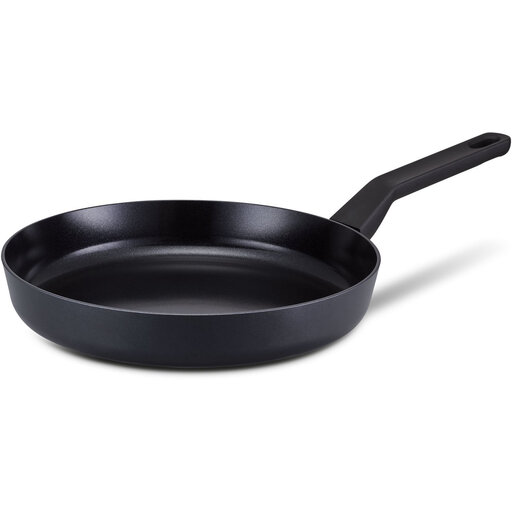
- Why this product: This Brabantia pan focuses on health and sustainability. It is made from 100% recycled aluminium and features a completely PFAS-free ceramic frying pan coating. This makes it a conscious choice for both the user and the environment.
- Advantages:
- 100% PFAS-Free: The dual-layer ceramic non-stick coating contains no PFAS chemicals.
- Sustainable Material: Made from 100% recycled aluminium, which reduces its ecological footprint.
- Rapid Heating: The aluminium body ensures fast and efficient heat distribution, saving time and energy.
- Who is it for: The health- and eco-conscious cook. With a 24 cm diameter, this pan is ideal for smaller households or for preparing side dishes. A great option for those who prefer low-fat cooking.
3. PURECOOK Marble Coated Frying Pan Series, 24 cm
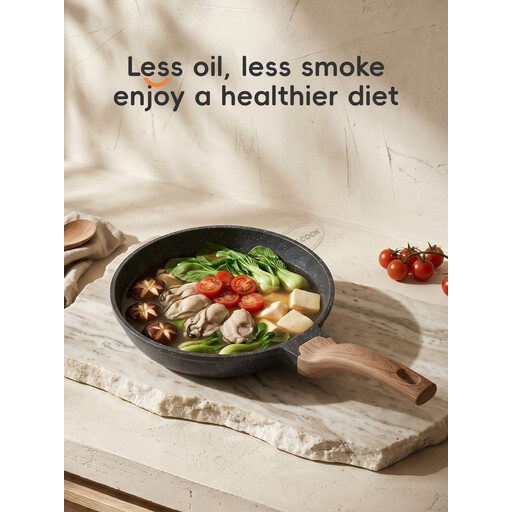
- Why this product: This pan stands out with its lightweight body and wooden handle design. The combination of an aluminium alloy and a non-stick coating with a marble look (maifan stone finish) makes it a practical and stylish pan for everyday use.
- Advantages:
- Lightweight: The aluminium alloy makes the pan easy to manage, even with one hand.
- Wooden Handle: The handle is designed to stay cool during cooking and provides a comfortable grip.
- Efficient Heat Distribution: The pan heats up quickly and evenly, which is ideal for quick dishes like a fried egg or pancakes.
- Who is it for: Users who value both design and ease of use. Its light weight and effective non-stick coating make this all-hob pan highly suitable for quick, daily cooking tasks.
Alternatives and Maintenance
Is your current pan still in good condition, but the handle has become loose or broken? Sometimes, a completely new pan isn't necessary. A replacement pan handle can be a sustainable and cost-effective solution to extend the life of your cookware.
Frequently Asked Questions (FAQ)
1. How can I be sure my pan is suitable for induction? Look for the induction symbol (a coil-shaped line) on the bottom of the pan. You can also perform the magnet test: if a refrigerator magnet sticks to the base, the pan is induction-compatible.
2. What is the main difference between a ceramic and a traditional non-stick coating? A traditional coating (PTFE) is known for its exceptionally smooth surface. A ceramic frying pan is PFAS-free, made from natural materials, and can withstand higher temperatures. The choice depends on your personal preference for materials and cooking habits.
3. Why does my frying pan warp on an induction hob? This is often caused by 'thermal shock': heating a cold pan too quickly or placing a hot pan under cold water. Induction heats very rapidly, which can amplify this effect. A pan with a thick, multi-layer base is more resistant to this.