
Gel Creams for Oily Skin: Our 2026 Recommendations
Finding a moisturiser for oily skin can feel like a daunting quest. Many products promise a matte finish but leave behind a sticky or greasy film, or worse, clog pores. The fear of choosing the wrong cream—one that actually makes skin oilier—is a common concern. The goal is simple: hydration without the shine. A gel cream for oily skin is often the solution, thanks to its lightweight, water-based formula.
This article will help you make an informed decision. We will discuss the key features to look for and highlight several specific products based on their specifications.
What to Look for in a Gel Cream
When selecting a lightweight moisturiser, a few objective criteria are important. By focusing on the product specifications and ingredient list, you can better assess whether a product is suitable for your skin type.
- Texture: A good gel cream has a water or gel base. This texture feels light on the skin, absorbs quickly, and doesn't leave a greasy or sticky layer. Terms to look for include ‘water gel’, ‘aqua cream’, or ‘gel-crème’.
- Ingredients: The ingredient list provides the most reliable information.
- Hydrating agents (humectants): Ingredients like hyaluronic acid and glycerin attract and retain moisture in the skin without adding oil.
- Sebum-regulating ingredients: Substances such as niacinamide (vitamin B3) and zinc can help regulate sebum production. A sebum-control cream helps reduce shine throughout the day.
- Exfoliating acids: For skin prone to blemishes, a product with salicylic acid (BHA) can be beneficial. This acid penetrates the pores and helps keep them clear.
- Packaging Claims: Look for terms like non-comedogenic (does not clog pores) and oil-free. These claims, while not always a guarantee, indicate that the manufacturer has formulated the product with oily or acne-prone skin in mind.
Our Selection of Gel Creams for 2026
Based on the criteria above, we have selected products with formulas that meet the needs of oily or combination skin.
COSRX Hydrium Green Tea Aqua Soothing Gel Cream 50g
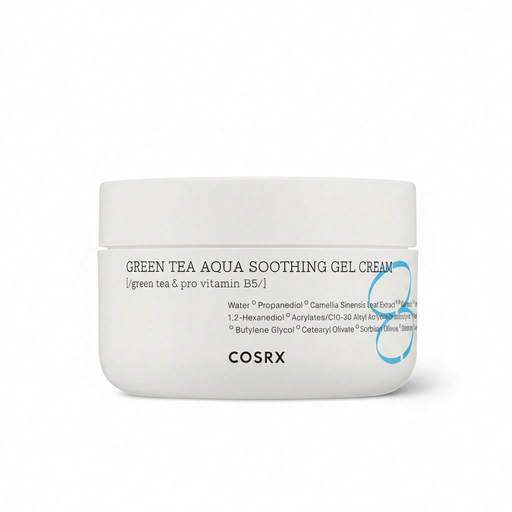
Why this product This hydrating gel cream from COSRX is formulated as a light, soothing moisturiser. It focuses on hydration and softening the skin with green tea extract, an ingredient known for its antioxidant properties.
Benefits
- Texture: A light water gel moisturiser that doesn't feel greasy.
- Ingredients: Contains green tea extract to soothe the skin and hyaluronic acid for deep hydration.
- Use: Suitable for both morning and evening routines.
Who is this for This product is a great option for those seeking a simple, effective, and non-greasy day cream that hydrates and soothes. It is suitable for all skin types, but especially for those who prefer a very light, non-sticky finish.
Beauty of Joseon Red Bean Hydrating Gel Cream 100ml
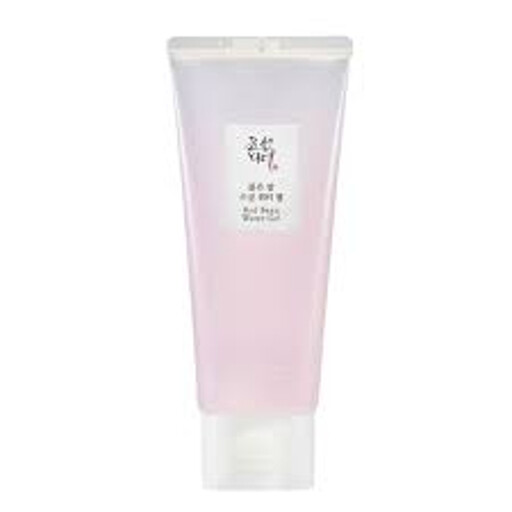
Why this product The Red Bean Water Gel from Beauty of Joseon specifically targets oily skin with a dual-action approach: hydration and pore care. The formula contains a high percentage (44%) of Haenam red bean extract, an ingredient used in Korean history for its sebum-absorbing properties.
Benefits
- Sebum Control: Red bean extract helps absorb excess sebum, making it an effective anti-shine cream.
- Skin Improvement: Contains a peptide complex that, according to the brand, helps improve skin texture.
- Texture: A light gel formula that provides a fresh feeling without being sticky.
Who is this for Ideal for users with oily skin who are looking not only for hydration but also for a product that helps control shine and care for pores. The addition of peptides also makes it appealing for those seeking extra skin-improving properties in a day cream for combination skin.
Sesderma SALISES moisturizing cream gel 50 ml
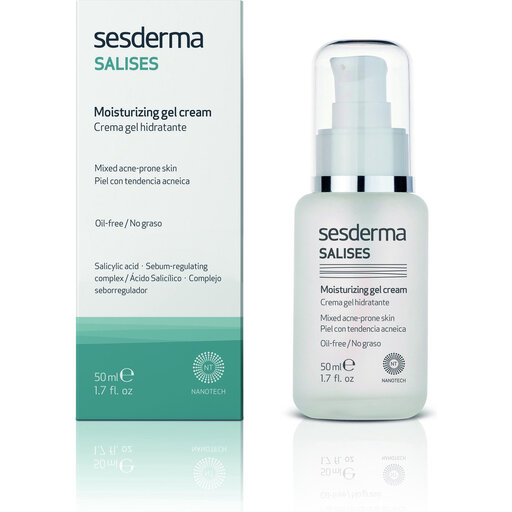
Why this product This gel cream from Sesderma is specifically developed for normal to combination, acne-prone skin. The formula contains active ingredients aimed at tackling blemishes and excess sebum, making it a suitable moisturiser for acne.
Benefits
- Active Ingredients: Contains salicylic acid for exfoliation and preventing sebum buildup. Niacinamide and zinc salts help reduce sebum production.
- Multifunctional: In addition to regulating sebum and blemishes, the cream provides hydration (thanks to aloe vera and glycerin) and, according to Sesderma, helps prevent skin ageing.
- Targeted Approach: The combination of ingredients is designed to address the specific problems of acne-prone skin.
Who is this for This product is particularly suitable for young adults (18-35 years) with combination or oily skin who regularly experience blemishes or acne. If you are looking for a product that does more than just hydrate and actively contributes to clearer skin, this is a relevant option.
Haven't found what you're looking for?
The products listed above are just a sample of the available options. Every skin is unique and can react differently to a formula. If your ideal match isn't among them, or if you're looking for a product with other specific ingredients, a wide range of alternatives is available.
Explore our full range of hydrating cream-gels for more choices to suit different skin needs and preferences.
Frequently Asked Questions
1. Can a gel cream truly hydrate oily skin? Yes. Oily skin is not the same as hydrated skin. In fact, oily skin often produces more sebum because it is lacking moisture (dehydrated). A gel cream provides the necessary hydration with water-based ingredients like hyaluronic acid, without adding the oils that can make skin feel greasier.
2. What is the difference between a gel cream and a regular cream? The main difference lies in the formula's base. Traditional creams often have an oil-and-water base, which makes them richer and thicker. Gel creams have a water or gel base, giving them a lighter texture that absorbs more quickly and doesn't leave a heavy or greasy feeling.
3. How often should I use a moisturiser for oily skin? It is generally recommended to use a moisturiser twice a day: in the morning and evening after cleansing the skin. Regular hydration helps maintain the skin's moisture balance, which can contribute to regulating sebum production.