
Cutting Boards for Kitchen Prep and Serving Platters
A good cutting board is essential in any kitchen. But with so many choices—wood, bamboo, plastic—finding the right one can be a challenge. Are you looking for a durable board for everyday chopping, or a stylish serving board for appetizers? This article will help you make a clear choice. We'll cover the key considerations and highlight some top picks for 2026, ensuring you find a board that perfectly suits your cooking and serving style.
Buyer's Guide: What to Look for in a Cutting Board
Before you make a choice, it's helpful to consider a few practical matters. The right material and features can make a significant difference in usability and durability.
1. Material Matters: Wood, Bamboo, or Plastic?
The material determines not only the aesthetic but also the maintenance and hygiene.
- Wooden Cutting Board: Wood is a classic. It's relatively gentle on your knives and has natural antibacterial properties. A beautiful wooden cutting board can also double as a cheese board or serving platter. The downside is that wood requires maintenance; you must treat it regularly with oil and never put it in the dishwasher.
- Bamboo Cutting Board: Bamboo is technically a type of grass. It's harder and less porous than many woods, meaning it absorbs less moisture. A bamboo cutting board is a sustainable choice, but its hardness can dull your knives slightly faster than wood.
- Plastic Cutting Board: Plastic boards are practical and often dishwasher-safe, making them a hygienic option for cutting raw meat or fish. They are affordable and lightweight. A drawback is that deep scratches can develop over time, which can harbor bacteria.
2. Functionality: Juice Groove, Set, or Integrated Slicer?
A board is more than just a flat piece of material. Convenient extras can significantly enhance its usability.
- A cutting board with a juice groove is ideal for carving meat or slicing juicy fruits and tomatoes. The channel catches liquids, keeping your countertop clean.
- A cutting board set is a practical solution to prevent cross-contamination. You can use separate boards for meat, vegetables, and bread, for example.
- Some boards are specifically designed for presentation. Think of a serving board with handles or a clever sausage slicer for the perfect appetizer spread.
Our Top Product Recommendations
Below is a selection of boards that stand out for their specific features and functionality.
WANGMAZI Food-Grade Cutting Board
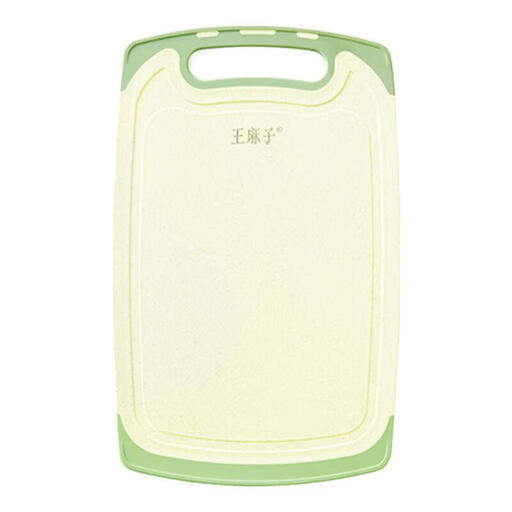
Why it stands out: A compact and lightweight plastic cutting board designed for daily, hygienic use.
Benefits:
- Non-slip design: Stays stable on the countertop while cutting.
- Compact size: Ideal for smaller kitchens or for chopping individual ingredients.
- Material: Made from wheat straw material. According to the manufacturer, GUANGDONG JINHUI KNIFE AND SCISSORS, the material is designed to resist bacteria and mold growth.
Who is it for? For the home cook who needs a separate, safe, and easy-to-clean board for smaller ingredients, or for kitchens with limited space.
Secret de Gourmet Charcuterie Slicer with Board
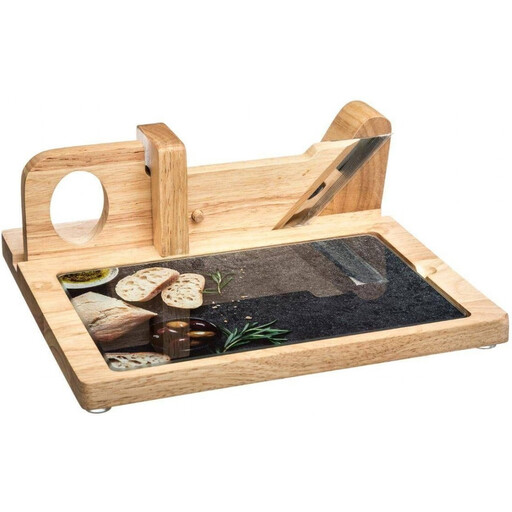
Why it stands out: This board combines a serving board with an integrated slicer, specifically for charcuterie.
Benefits:
- 2-in-1 function: Slice and serve in one, perfect for a charcuterie board.
- Stylish design: A unique way to present sausage and cheese to guests.
- Practical: The built-in sausage slicer ensures even slices.
Who is it for? For hosts who love to present appetizers in a unique way. A fun and handy addition for charcuterie and cheese enthusiasts.
VVM Carbonized Bamboo Cutting Boards (Set of 3)
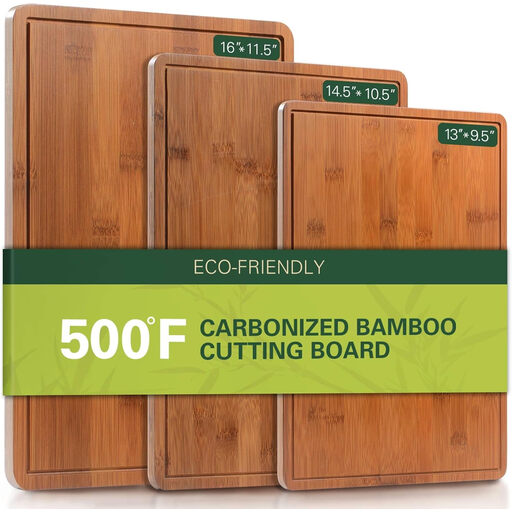
Why it stands out: A versatile cutting board set made from durable bamboo, suitable for both meal prep and serving.
Benefits:
- Complete set: Includes three different sizes for various kitchen tasks.
- Functional design: Each board features a cutting board with a juice groove and handles.
- Durable material: Made from carbonized bamboo. According to the manufacturer, ciecie, this treatment makes the boards more durable and resistant to warping.
Who is it for? For the home cook looking for a complete and hygienic set, allowing for separate boards for meat, vegetables, and bread. The larger boards are also excellent as serving boards.
Looking for Something Else?
The right board depends heavily on your personal needs and kitchen space. For example, are you looking for a specific size to fit next to the stove or in a drawer? Check out our range of narrow boards for more specialized options.
Frequently Asked Questions
1. How do I maintain a wooden or bamboo cutting board? Always wash a wooden or bamboo cutting board by hand with mild soap and warm water. Never place it in the dishwasher. Dry the board thoroughly immediately after washing. Periodically rub the board with a food-safe mineral oil to prevent it from drying out and cracking.
2. Which cutting board is kindest to my knives? In general, wooden boards are the gentlest on your knife's edge. Harder materials like bamboo, plastic, glass, or stone can dull knives more quickly. A wooden cutting board often provides a good balance between the board's durability and maintaining knife sharpness.
3. Can I use a serving board as a cutting board? It depends on the material. Many serving boards are designed for light cutting tasks, such as slicing cheese or soft sausages. For daily chopping of vegetables or cutting raw meat, a dedicated cutting board is better suited. It is typically more robust and resistant to deep knife cuts.