
Choosing the Right Cutting Board in 2026: A Practical Guide
A cutting board that warps, retains odors, or dulls your knives is a source of frustration in any kitchen. Choosing a new board might seem simple, but the differences in material, size, and functionality are significant. This guide will help you make an informed decision based on key product features, ensuring you find a cutting board that perfectly suits your cooking style.
What to Look for When Buying
Before making a choice, it's helpful to consider the most important features of a cutting board. These criteria will help you filter the options and find a model that meets your requirements.
1. Material
The material is the most decisive factor for durability, maintenance, and its impact on your knives.
- Wood and Bamboo: A wooden cutting board or bamboo cutting board is a popular choice for its natural aesthetic and relatively soft surface, which is gentler on knives. Bamboo is technically a type of grass and is known for its hardness and density, making it less prone to absorbing moisture and odors than some types of wood. However, wooden boards typically require more maintenance, such as periodic oiling, and are often not dishwasher-safe.
- Plastic (PP): Plastic boards are lightweight, often dishwasher-safe, and available in many colors. This makes it easy to use different boards for different food groups (e.g., meat, vegetables) to prevent cross-contamination. A disadvantage is that deep scratches can form over time, which may harbor bacteria.
- Stainless Steel (SS): A stainless steel cutting board is highly hygienic, non-porous, and easy to clean. The material does not absorb odors or juices, making it an excellent option as a cutting board for meat and fish. The main drawback is that stainless steel is a hard material, which can dull your knives more quickly.
2. Size and Thickness
The right size depends on your kitchen space and how you intend to use the board. A large cutting board (e.g., 40 cm or longer) provides ample workspace for chopping large vegetables, a whole loaf of bread, or carving meat. A smaller board is convenient for quick tasks. The thickness of the board contributes to its stability and durability; a thicker board is less likely to warp or shift during use.
3. Functionality
Specific features can significantly enhance ease of use.
- Juice Groove: A cutting board with a juice groove has a recessed channel around the edge to catch liquids from meat, fruit, or vegetables. This keeps your countertop clean and is especially practical when cutting tomatoes, watermelon, or roasted meats.
- Anti-Slip Features: Boards with non-slip feet or a rubberized edge stay firmly in place on the countertop. This increases safety during chopping. A heavy, thick wooden board is also inherently more stable.
- Handle: A handle or cutout makes it easier to lift, move, and hang the board for storage.
Our Top Picks for 2026
Based on the criteria above, we have curated a selection of cutting boards with diverse features and materials.
Bamboo Cutting Board - 40 x 25 cm, Brown
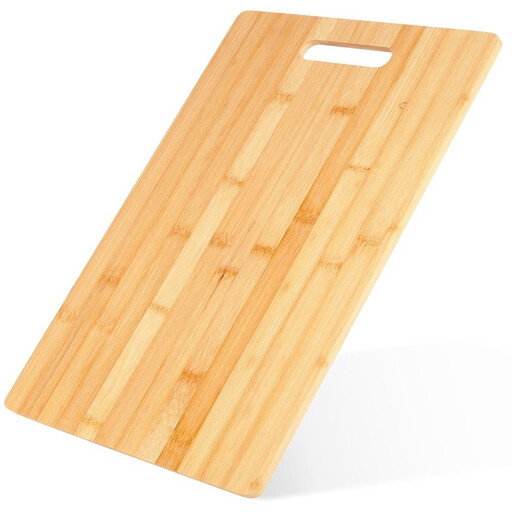
- Why We Chose It: This model is a functional bamboo cutting board with a practical size of 40 x 25 cm. It is crafted from natural bamboo, a material known for its moisture-resistant properties. The ergonomic handle makes it easy to move the board and use it for both chopping and serving.
- Pros:
- Made from natural bamboo, which is resistant to moisture and odors.
- Features an ergonomic handle for easy transport.
- Suitable for both chopping and serving, for instance as a charcuterie board.
- The manufacturer states it is dishwasher-safe, although hand washing is recommended to extend its lifespan.
- Who It's For: The home cook looking for a versatile and low-maintenance board for daily chopping tasks and serving appetizers.
Double Sided Cutting Board for Kitchen, Stainless Steel/Wheat Straw PP
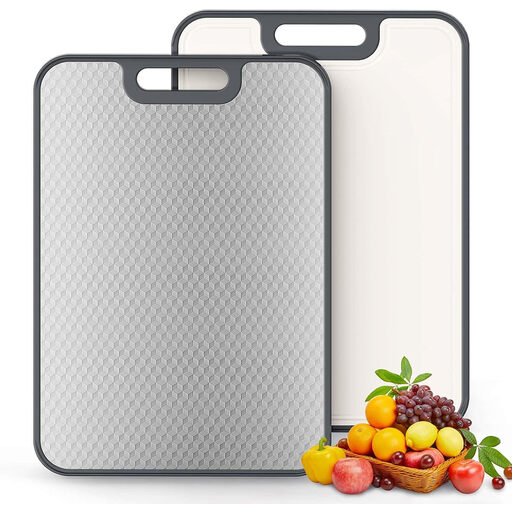
- Why We Chose It: This board combines two materials in a single design. One side is a stainless steel cutting board, ideal for raw meat and fish due to its hygienic properties. The other side is made of wheat straw PP plastic, suitable for fruits and vegetables. This dual-sided design helps minimize cross-contamination.
- Pros:
- Dual-sided design: Stainless steel for meat/fish, plastic for vegetables.
- The stainless steel side is non-porous, waterproof, and odor-resistant.
- Fully dishwasher-safe for easy cleaning.
- The 43 x 30 cm size offers a generous workspace.
- Who It's For: The health-conscious cook who prioritizes hygiene and wants a clear separation between prepping meat and other ingredients.
5five Bamboo Chopping Board - Natural, 45 x 34 cm
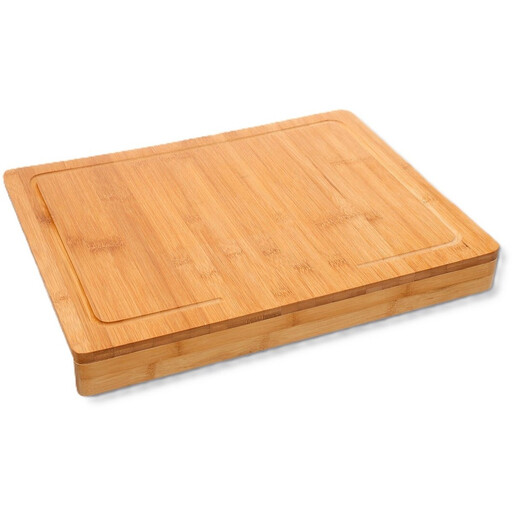
- Why We Chose It: This is a large cutting board measuring 45 x 34 cm, designed for stability and functionality. The board features a stopper edge that braces against the countertop, preventing it from shifting. The integrated cutting board with a juice groove collects liquids, making it an excellent choice for juicy ingredients.
- Pros:
- Stopper edge for extra stability and safety while chopping.
- Juice groove to keep the countertop clean.
- Large size (45 x 34 cm) provides an ample workspace.
- Made from FSC-certified bamboo.
- Who It's For: The serious home chef who does a lot of prep work and needs a large, stable, and functional work surface.
Didn't Find What You Were Looking For?
The models above represent a selection of the available options. If you are looking for a different size, material, or specific features, a wider range is available. From compact boards for serving appetizers to professional butcher blocks, the right tool can significantly simplify your work in the kitchen.
Explore our full range of Kitchenware for more options.
Frequently Asked Questions
1. Which cutting board material is the most hygienic? Stainless steel and plastic (when in good condition) are generally considered highly hygienic because they are non-porous and can be easily sanitized in a dishwasher. However, a well-maintained wooden or bamboo cutting board can also be very hygienic. Some studies suggest these materials have natural properties that inhibit bacterial growth. The most critical factor for hygiene is regular and thorough cleaning after each use.
2. How do I prevent my wooden cutting board from warping? Warping is typically caused by the uneven absorption and release of moisture. To prevent this, wash a wooden or bamboo board by hand using minimal water. Never soak the board. Dry it immediately after washing and allow it to air dry upright, so air can circulate on both sides. Regular treatment with a food-safe cutting board oil helps to saturate and protect the wood.
3. Can a cutting board also be used as a serving board? Yes, many cutting boards are also perfectly suitable for use as a charcuterie board or serving platter. Boards made from bamboo or attractive wood are especially appealing for presenting cheeses, cured meats, bread, and other appetizers. For this purpose, choose a board without deep cutting grooves and ensure it is thoroughly cleaned.