
How to Choose the Right Blender: A Practical Buying Guide
Buying a blender seems simple—until you start looking online. You're flooded with promises of dizzying wattages, countless features, and futuristic designs. But how often does this lead to a bad purchase? A device that ends up collecting dust in a cupboard after three months because it doesn't deliver on its promises, or because cleaning it is a full-time job.
As a Joybuy Product Recommendation Officer, I see the challenges consumers face every day. Let's cut through the marketing hype and focus on what really matters. These are the most common pitfalls:
- The Wattage Trap: Manufacturers love to show off high wattages (1000W, 1500W, even 2000W). A higher number feels more powerful, but it means little if the blade design and build quality are subpar. A poorly designed 1500W blender can still struggle with ice, while an efficient 900W model pulverises it effortlessly.
- The "All-in-One" Myth: A device that claims to be a
smoothie maker,nut milk maker, andfood processorin one often excels at none of them. A heavystand mixeris inconvenient for a quick smoothie on the go, and a compactblender to goisn't built for heavy-duty tasks. - The Cleaning Nightmare: A blender you want to use daily must be easy to clean. Models with fixed blades, narrow jars, or parts that aren't dishwasher-safe quickly become a source of frustration.
What Really Matters
To avoid buyer's remorse, focus on the specifications that make a difference in practice. These are the three most important factors to consider.
1. Power is More Than Wattage
A powerful blender isn't defined by wattage alone. The combination of the motor, torque (rotational force), and blade design is crucial.
- Motor & Torque: A high-torque motor can consistently deliver power at lower speeds. This is essential for grinding hard ingredients like nuts or frozen fruit without the motor overheating.
- Blades: Look at the number and shape of the blades. Multiple blades at different heights create a better "vortex," which efficiently pulls ingredients down and ensures a smooth, chunk-free result. Materials like hardened stainless steel or titanium-coated blades stay sharp longer.
2. The Jar Material: Glass vs. Plastic
The jar is where the action happens. The choice of material affects durability, weight, and maintenance.
- Glass Jar: Feels solid, is scratch-resistant, and doesn't absorb odours or stains from ingredients like turmeric or beetroot. The downside is that glass is heavier and more fragile.
- Plastic Jar (Tritan): Modern blenders often use BPA-free Tritan. This material is lightweight, virtually unbreakable, and usually dishwasher-safe. It's a practical choice for daily use, especially for a
blender to go.
3. The Blender Type: Tailored to Your Needs
Not all blenders are created equal. Think about what you'll primarily use it for.
- Countertop Blender: The classic blender with a jar on a motor base. Ideal for larger quantities, soups, sauces, and smoothies for the whole family.
- Blender to go: A compact, often cordless blender or rechargeable blender. Perfect for single servings that you make directly in the drinking cup and take with you. This
mini blenderis ideal for the office, the gym, or while travelling. - Specialised Appliances: For specific needs, like making plant-based milk, a dedicated nut milk maker is often more efficient. These typically have built-in heating and filtering functions. For dough and batter, a stand mixer or
food processorwith dough hooks and whisks is a better investment.
Our Recommended Product Picks
Based on these objective criteria, we have selected a few models that suit different lifestyles.
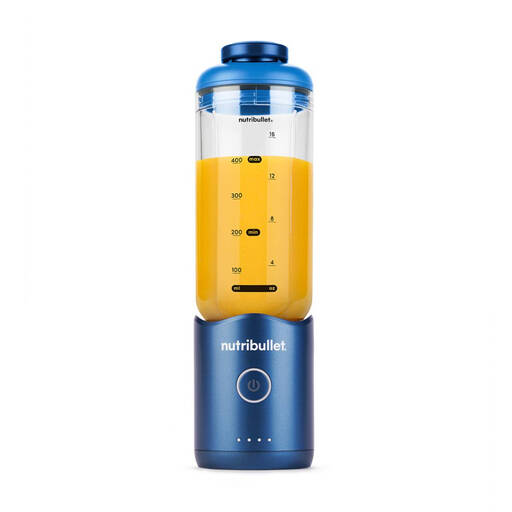
Nutribullet Flex 590ml Portable Blender Blue
Why This Fits Their Persona: Ideal for those short on time in the morning. This cordless blender charges via USB-C and fits right in your bag. Make your smoothie fresh at the office or after a workout. The 590 ml capacity is perfect for one person.
This model bypasses the "all-in-one" myth by specialising in portability. It's a pure blender to go, not a cumbersome countertop model. The detachable blades make cleaning simple.
Rechargeable via USB-C: No fuss with batteries or power outlets. Compact and lightweight: Fits easily into a work or gym bag.
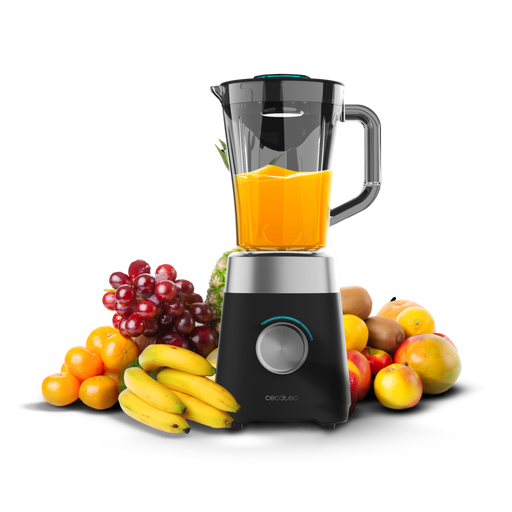
Cecotec 1300W Countertop Blender – Power Black Titanium
Why This Fits Their Persona: For families or home cooks who want more than just a smoothie. With a 1.5-litre jar and a powerful motor, you can make soups, sauces, or smoothies for several people. The dedicated ice-crushing setting is practical for cocktails or iced coffee.
This model avoids the wattage trap. Its high power of 1300W is combined with a functional design: four blades with a black titanium coating that maintains sharpness.
Large capacity: The 1.5-litre jar is suitable for family-sized portions. Powerful performance: Features a dedicated function for crushing ice.
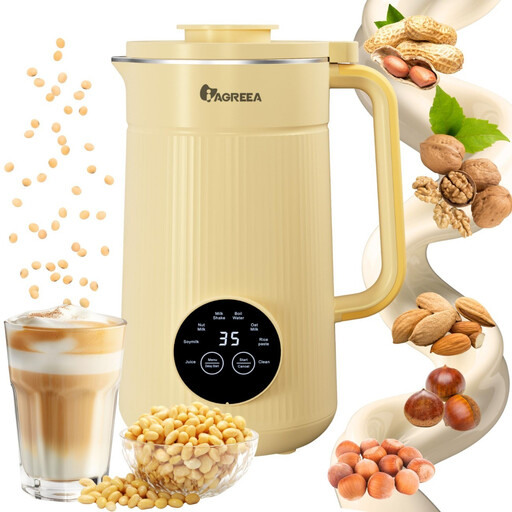
IAGREEA 8-IN-1 Nut Milk Maker Machine
Why This Fits Their Persona: For those who love making their own oat, soy, or nut milk. This appliance is specially designed for this purpose, with programs that not only grind the ingredients but also heat them for a better result. The delay start function is convenient: fill it at night and wake up to fresh, warm milk.
This is a specialised appliance, not a vague "jack-of-all-trades." It solves a specific problem that many standard blenders have: efficiently making smooth, warm plant-based milk. The self-cleaning function directly tackles the cleaning nightmare.
Specific programs: Pre-programmed settings for nut milk, soy milk, and oat milk, among others. Self-cleaning and delay start: Maximum convenience for daily use.
Looking for More Options?
We have compiled a complete, up-to-date list of products that fully meet these strict selection criteria and safety regulations.
Frequently Asked Questions
1. What's the best way to clean my blender?
The easiest way is right after use. Fill the jar halfway with warm water and a drop of dish soap. Briefly run the blender on its highest setting. Then, rinse the jar. For many models, the jar and lid are also dishwasher-safe, but always check the manufacturer's manual. The motor unit itself should never be submerged in water; wipe it clean with a damp cloth.
2. Can any blender handle ice and frozen fruit?
No, not every blender is suitable for this. Crushing hard, frozen ingredients is very demanding on the motor and blades. Cheaper or less powerful models can overheat or their blades can become dull. Specifically look for a powerful blender with a motor of at least 900W and a mention of an "ice crush" function or suitability for frozen fruit in the product description.
3. What is the difference between a blender and a food processor?
A blender is primarily designed for liquids and puréeing ingredients into a smooth consistency, such as for smoothies, soups, and sauces. A food processor (or stand mixer) is more versatile and comes with various attachments like dough hooks, whisks, and grating discs. This makes a food processor more suitable for tasks like kneading dough, mixing batter, chopping vegetables, or grating cheese.