
Choosing a Bagless Vacuum in 2026: A Practical Guide
Buying a new vacuum cleaner seems simple, until you realise your purchase falls short. The battery dies too quickly, the unit is too heavy for the stairs, or it leaves fine pet hair behind. Buyer's remorse is frustrating and unnecessary. This guide will help you make an informed decision based on factual specifications, ensuring you choose a bagless vacuum cleaner that fits your household.
What to Look for When Making Your Selection?
Before we look at specific models, it's helpful to understand the key parameters. This will allow you to objectively compare the specifications of different vacuums yourself.
Vacuum Type: Stick vs. Canister
- Cordless stick vacuum: These models offer maximum freedom of movement and are often lightweight. Ideal for quick clean-ups, apartments, or homes with multiple floors. Battery life is a crucial factor here.
- Canister vacuum: This is the traditional corded model that you pull behind you. Generally, these vacuums offer more consistent, powerful suction and have a larger dust capacity. They are well-suited for large areas and deep cleaning.
Suction Power and Wattage
Don't be guided solely by the wattage. This number indicates how much energy the motor consumes, not necessarily how well the vacuum cleans. The suction power, sometimes expressed in Air Watts (AW), is a better indicator of performance. An efficient design can achieve high suction power with lower wattage.
Filtration System: The Importance of a HEPA Filter
For households with allergies or pets, a good filter is essential. A vacuum with a HEPA filter (High-Efficiency Particulate Air) captures the smallest particles, such as pollen, dust mites, and pet dander. A HEPA 13 filter or higher is certified to capture 99.95% of these particles, contributing to cleaner exhaust air. This makes it a popular choice as an anti-allergy vacuum.
Ease of Use
Pay attention to the following specifications:
- Weight: A lightweight vacuum is easier to handle, especially on stairs.
- Noise Level (dB): A difference of 3 dB is a doubling of the sound. A quieter model (around 75 dB or lower) is significantly more pleasant to use.
- Dustbin Capacity: A larger bin requires less frequent emptying.
- Operating Radius: For a canister vacuum, this is the length of the cord plus the hose and wand. For a cordless vacuum, this is the battery runtime.
Our Top Picks for 2026
Based on the criteria above, we have selected three different models, each with unique features for specific needs.
1. SAMSUNG BESPOKE AI Jet Lite VS80F28ELP
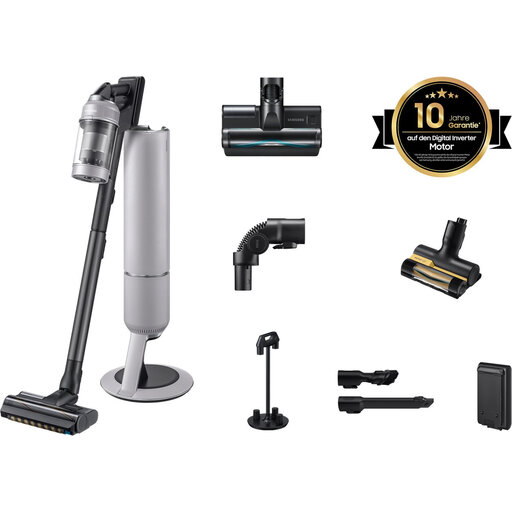
Why this product? This Samsung vacuum is a powerful and versatile cordless stick vacuum. With 210 AW of suction power and a 2-in-1 design (it also converts to a handheld), this model is suitable for a variety of cleaning tasks.
Pros
- High Suction Power: At 210 AW, this model is powerful enough for both hard floors and carpet.
- HEPA Filtration: The HEPA 12 filter effectively captures fine dust particles.
- Long Battery Life: A maximum runtime of 60 minutes on a full charge.
- 2-in-1 Functionality: Easily converts to a handheld vacuum for furniture or the car.
Who is it for? For modern households seeking a powerful, flexible, and technologically advanced solution. The combination of suction power and a quality filter also makes it suitable for picking up pet hair.
View the SAMSUNG BESPOKE AI Jet Lite VS80F28ELP
2. Philips Cordless Vacuum Cleaner XC3033/01
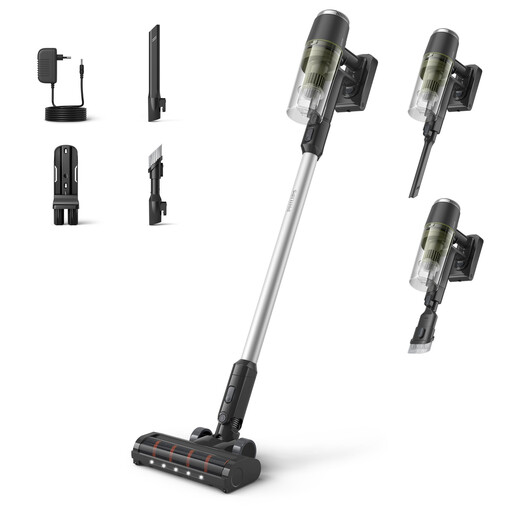
Why this product? This Philips vacuum focuses on maximum user-friendliness. Its extremely low weight and the smart LED lighting on the nozzle make cleaning less of a chore.
Pros
- Extremely Lightweight: Weighing just 1.29 kg, this model is exceptionally easy to lift and manoeuvre.
- LED Lighting: The light on the nozzle reveals dust and dirt in dark corners and under furniture.
- Long Battery Life: Also offers a runtime of up to 60 minutes.
- PowerCyclone 8 Technology: According to Philips, this technology ensures long-lasting high suction power.
Who is it for? Ideal for those looking for a light and handy cordless vacuum. Perfect for homes with stairs, or for anyone who wants to clean the floor quickly and effortlessly without heavy lifting.
View the Philips Cordless Vacuum Cleaner XC3033/01
3. Philips PowerPro Compact FC9330/09
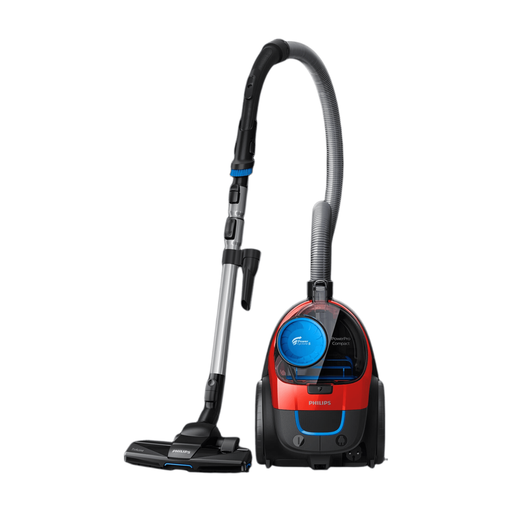
Why this product? This model is a classic canister vacuum that excels in filtration and capacity. Its focus is on thorough, hygienic cleaning, making it an excellent anti-allergy vacuum.
Pros
- Allergy H13 Filter: The fully sealed system with a HEPA 13 filter captures over 99.9% of fine dust, ideal for people with allergies.
- Large Dust Capacity: The 1.5-litre bin needs to be emptied less frequently.
- Relatively Quiet: With a noise level of 76 dB, it is quieter than many other powerful models.
- Consistent Power: The 900 W motor and PowerCyclone 5 technology provide sustained high performance, with no worries about a dead battery.
Who is it for? For households where hygiene and air quality are a priority, such as those with allergies or asthma. It's also a solid choice for anyone cleaning larger areas who prefers the reliability of a corded model.
View the Philips PowerPro Compact FC9330/09
Considering a Different System?
A bagless vacuum offers great convenience by eliminating the recurring cost of bags. However, some users prefer a traditional system with a vacuum bag, for instance, due to the completely sealed disposal of dirt. Although we are focusing on vacuums here, a good supply of bags for other purposes around the house is always useful. For an overview of options, you can view our selection of plastic bag.
Frequently Asked Questions
1. Is a bagless vacuum better than one with a bag? Neither is inherently 'better'; it depends on your preference.
- Bagless: No additional cost for bags, and it's immediately visible when the bin is full.
- Bagged: The dust is collected in a sealed bag, which can make disposal more hygienic. This is sometimes recommended for people with severe dust allergies.
2. How do I maintain a bagless vacuum? Maintenance is simple. Empty the dustbin after each use to maintain optimal suction. Clean the filters regularly according to the manufacturer's instructions. Some filters are washable, while others need to be replaced periodically.
3. What is the difference between motor power (Watts) and suction power (Air Watts)? The motor power (Watts) indicates how much electrical energy the motor consumes. The suction power (Air Watts) measures the actual airflow and is a better indicator of how effectively the vacuum picks up dirt. An efficiently designed vacuum can achieve a higher Air Watt value with fewer Watts.
Written by the Joybuy Product Recommendation Officer Positioning: An objective, practical shopping guide focused on facts and product specifications, without the marketing hype.