
Buying a 5G MiFi Router? Avoid These 3 Costly Mistakes
Whether you're at a campsite, travelling through Europe as a digital nomad, or simply need a reliable backup internet connection for your home, a slow or unstable connection is a major frustration. The market for mobile Wi-Fi routers is filled with promises of lightning-fast internet on the go. However, many devices fail to live up to their marketing claims, leaving you with an expensive gadget that underperforms.
Before you invest in a portable 5G router, it's crucial to understand the common pitfalls. Many buyers fall for the same marketing traps and end up with a product that doesn't suit their needs.
- The "All-Day Battery" Myth: Manufacturers often advertise a battery life of 12 hours or more. In reality, this is typically measured in standby mode with a single connected device. As soon as you start streaming or connect multiple devices, the battery can be depleted in just 4-5 hours.
- Speeds You'll Never Reach: A router might technically support 5G speeds, but if the internal antennas are weak or the device doesn't optimally use the correct frequency bands for local networks, you're paying for 5G but getting 4G performance.
- Hidden Limitations: Some cheaper models seem like a great deal but are locked to a specific provider or lack crucial features like support for a MiFi with eSIM, which severely limits your flexibility when travelling.
What to Look For: The Core Specifications
To avoid a bad purchase, focus on the specifications that truly matter. Don't be distracted by marketing jargon and verify these three points.
1. Connectivity: 5G, 4G, and SIM Options
The choice between a 5G and a 4G router with a SIM card depends on your needs and budget. 5G offers significantly higher speeds and lower latency, which is ideal for heavy users, online gaming, or streaming 4K videos. For general use like browsing, emailing, and social media at the campsite, a good 4G router is often sufficient and easier on your wallet.
A critical factor is SIM support. An unlocked device gives you the freedom to choose any provider. Consider a model with MiFi with eSIM support. This allows you to switch data plans digitally, which is especially useful for international travel without needing to buy physical SIM cards.
2. Battery Capacity and Power Bank Functionality
Look beyond the advertised usage hours and pay attention to the capacity, expressed in milliampere-hours (mAh). A battery of 5000 mAh or more is a good indicator of a model that can last a full workday or a long travel day with active use. Some models also function as a power bank to charge your phone, a handy extra for Wi-Fi at the campsite.
3. Wi-Fi Standard: Why Wi-Fi 6 is Important
A modern travel router should support Wi-Fi 6 (802.11ax). This isn't just about higher top speeds. The main advantage of Wi-Fi 6 is its efficiency. It can distribute data much more effectively across multiple connected devices (like your laptop, phone, and tablet) simultaneously. This results in a more stable and faster connection for everyone, even on a crowded network.
Our Top Product Recommendations
Below are a few models that score well on the objective criteria above, matched with specific user profiles.
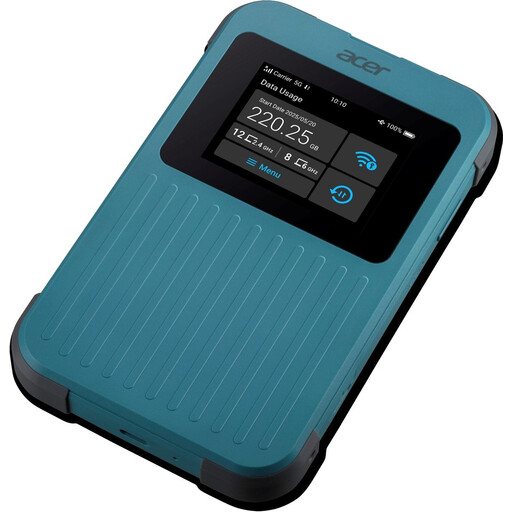
Acer Connect M4E - 20GB Wireless Dual-Band Mifi Router (2.4 GHz / 5 GHz) 5G
Why This Fits Their Persona: Perfect for those who depend on fast, stable internet. The combination of 5G and Wi-Fi 6 delivers performance comparable to a fixed connection, while the robust, water-resistant housing and eSIM support make it ideal for travel and outdoor use.
The substantial 8000 mAh battery provides a realistic all-day usage time, and support for both physical SIMs and eSIM prevents provider lock-in.
Future-proof with 5G and Wi-Fi 6. The IP68 rating means it's dust and water-resistant, a major plus for adventurous travellers.
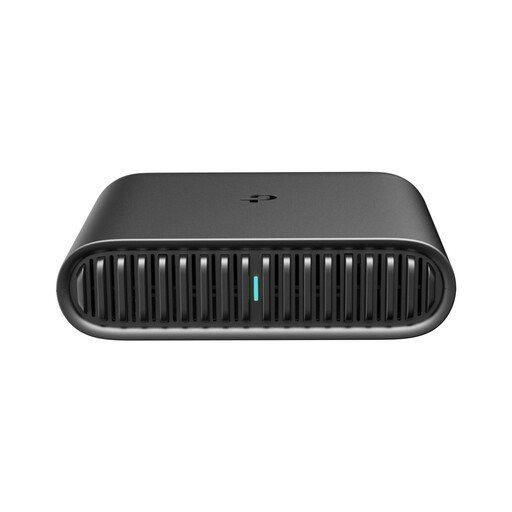
TP-Link TL-WR1502X Dual-Band Wireless Router, Gigabit Ethernet, (2.4GHz / 5GHz), Black
Why This Fits Their Persona: Ideal for those seeking an all-in-one solution. This router doesn't have a built-in modem but works with an external 3G/4G USB modem. It can also boost an existing Wi-Fi connection or convert a wired internet connection (like in a hotel) into a personal Wi-Fi 6 network.
This model bypasses the battery pitfall as it's powered via USB. You aren't dependent on an internal battery. Its strength is its flexibility; you don't pay for a built-in 5G modem if you don't need one.
Extremely versatile with multiple modes (Router, Hotspot, Access Point). Offers Wi-Fi 6 in a very compact form factor, powered by a standard USB-C port.
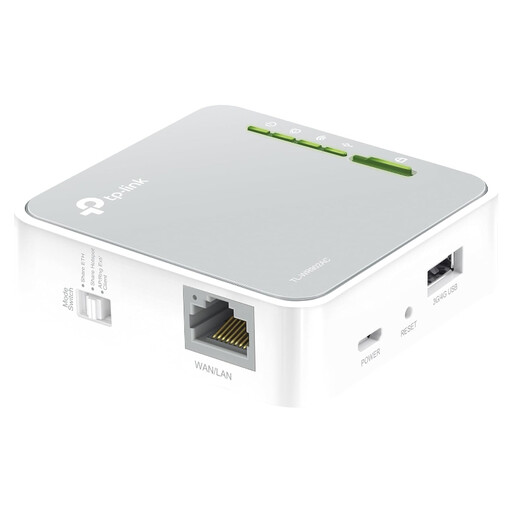
TP-Link TL-WR902AC - Wireless Router - 802.11a/b/g/n/ac
Why This Fits Their Persona: An affordable and extremely compact travel router for those who occasionally need internet on the go. Ideal for city trips or as a backup. It works with a 4G USB dongle and is perfect for basic use like email, navigation, and browsing.
This device doesn't pretend to be a 5G powerhouse. It's an honest, affordable 4G travel router. You don't pay for unnecessary features and get a reliable device for basic connectivity.
Fits in your pocket and is powered via micro-USB. The various modes (Router, Hotspot, Range Extender) make it very flexible for its price.
Looking for More Options?
We have compiled a complete, real-time list of products that fully satisfy these strict selection criteria and UK safety regulations.
Frequently Asked Questions
What's the difference between a MiFi router and my phone's hotspot?
A MiFi router is a specialised device. Its advantages over your smartphone's hotspot feature include significantly longer battery life, stronger antennas for a more stable and faster signal, and the ability to connect more devices simultaneously without quickly draining your phone's battery or interrupting your phone calls.
Do I need a special plan for a 5G MiFi router?
No, you don't need a special plan. A data-only SIM card (physical or eSIM) from a provider that offers 5G in your area is sufficient. Most recommended models are unlocked, which means you have the freedom to choose the provider and data plan that best suits your needs.
How long does a mobile Wi-Fi router's battery really last?
The actual battery life is highly dependent on usage. For intensive use, such as video streaming or connecting multiple devices, you can expect 6 to 10 hours. Models with a large battery capacity (e.g., 6000 mAh or more) can last a full workday. Focus on the mAh value in the specifications rather than just the advertised hours.